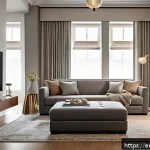
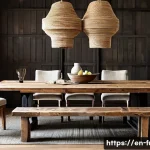
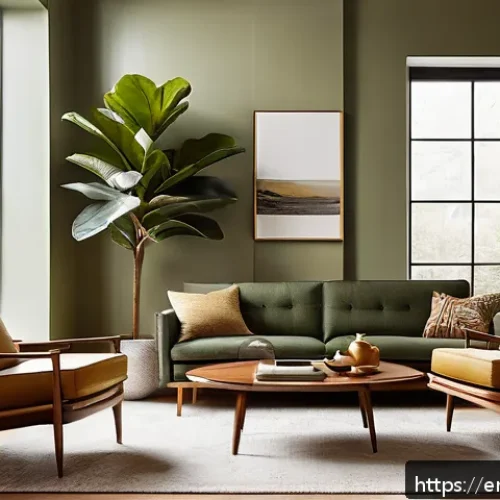
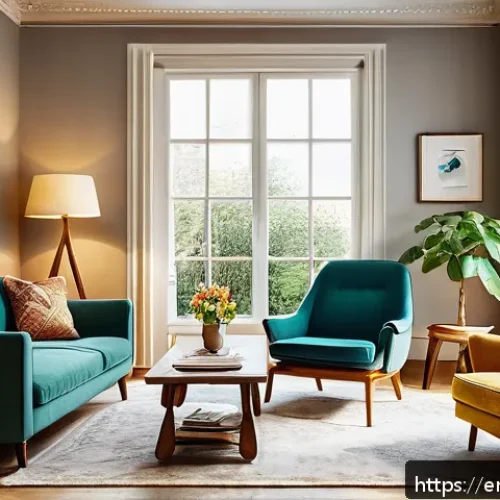
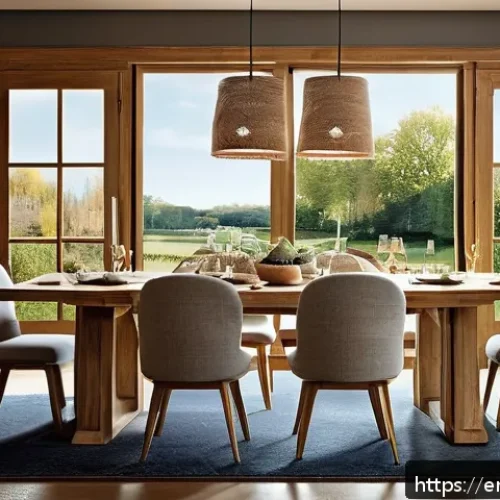
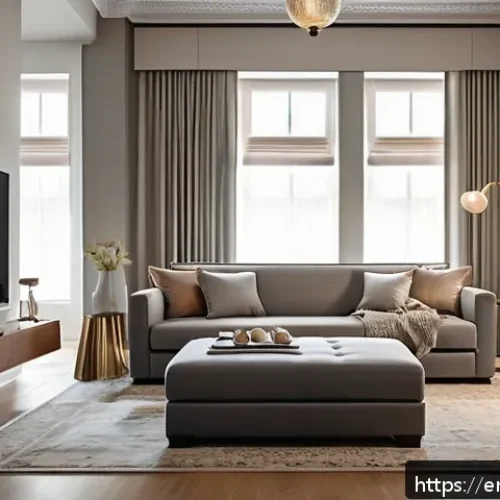
Ever since I redesigned my living room, I’ve been completely obsessed with Scandinavian furniture. There’s just something so clean and comforting about it, you know?
The simple lines, the natural materials, the focus on functionality – it all comes together to create a space that feels both stylish and inviting. It’s more than just furniture; it’s a lifestyle, an ethos even, that prioritizes well-being and a connection to nature within the home.
Plus, with the rise of minimalist trends and sustainable living, it’s no wonder Scandinavian design is having a major moment. Let’s dive deeper into the world of Nordic style and explore its defining characteristics in the text below.
Alright, let’s dive into the world of Scandinavian design!
Embracing “Hygge”: Creating a Cozy Sanctuary

Scandinavian design isn’t just about aesthetics; it’s about creating an atmosphere of “hygge” (pronounced hoo-gah). It’s a Danish and Norwegian word that encapsulates a feeling of cozy contentment and well-being through enjoying the simple things in life.
Think warm blankets, soft lighting, and the comforting presence of loved ones. I remember one particularly chilly evening when I transformed my living room into a hygge haven with just a few candles and a sheepskin rug.
The difference it made to my mood was incredible! It was like a warm hug in a room.
The Power of Natural Light and Neutral Colors
* Maximize natural light by using sheer curtains or leaving windows bare. * Opt for a neutral color palette like whites, grays, and light blues to create a calming and serene atmosphere.
I once painted my bedroom a soft gray, and it instantly felt more spacious and relaxing.
Warm Textures and Soft Fabrics
* Incorporate natural textures like wood, wool, and linen to add warmth and depth to your space. * Layer soft fabrics like throws, cushions, and rugs to create a cozy and inviting feel.
I have a chunky knit blanket that’s become my go-to for snuggling up on the sofa.
The Simplicity of Form: Functionality Meets Beauty
One of the core principles of Scandinavian design is the seamless integration of functionality and beauty. Every piece of furniture is carefully considered for its purpose, with clean lines and minimalist forms taking center stage.
There’s no room for unnecessary ornamentation or clutter. It’s all about creating a space that’s both visually appealing and highly practical. My friend Sarah recently renovated her kitchen with a Scandinavian-inspired design, and I was amazed at how efficiently everything was organized.
Every drawer and cabinet had a specific purpose, making cooking and cleaning a breeze.
Decluttering Your Space: Less is More
* Embrace the “less is more” philosophy by decluttering your space and getting rid of unnecessary items. * Invest in storage solutions that help you keep your belongings organized and out of sight.
I swear by those woven baskets; they add a touch of texture while hiding all sorts of clutter.
Multi-Functional Furniture: Maximizing Space
* Choose furniture that serves multiple purposes, such as a sofa bed or a coffee table with storage. * Look for pieces that can be easily moved around and reconfigured to adapt to your changing needs.
I recently bought a nesting side table set that I can use separately or together, depending on the occasion.
Sustainable Materials: A Commitment to the Environment
Scandinavian design places a strong emphasis on sustainability and environmental responsibility. Natural materials like wood, bamboo, and wool are favored for their durability and eco-friendliness.
Designers often prioritize ethically sourced materials and manufacturing processes that minimize their impact on the planet. It’s a design philosophy that not only looks good but also feels good, knowing that you’re contributing to a more sustainable future.
I remember reading about a furniture company that uses recycled ocean plastic to create their chairs – talk about innovative!
Wood as a Cornerstone: Highlighting Nature’s Beauty
* Use wood, especially light-toned varieties like birch or pine, to highlight natural beauty. * Incorporate wooden accents throughout your space, such as flooring, furniture, and accessories.
I love the warmth that a simple wooden bowl or a wooden picture frame can bring to a room.
Textiles with Conscience: Eco-Friendly Fibers
* Choose textiles made from sustainable fibers like organic cotton, linen, and hemp. * Look for certifications like GOTS (Global Organic Textile Standard) to ensure that the fabrics are produced in an environmentally and socially responsible manner.
I always check the labels when buying new linens to make sure they’re eco-friendly.
Adding Personality: Pops of Color and Personal Touches
While Scandinavian design is often associated with neutral colors, it doesn’t mean your space has to be devoid of personality. Adding pops of color through artwork, textiles, and accessories can inject vibrancy and character into your home.
Personal touches like family photos, travel souvenirs, and handmade crafts can also help to create a space that reflects your unique style and story. I like to think of my home as a blank canvas, where I can layer in personal elements to make it truly my own.
Strategic Use of Color: Accents that Speak Volumes
* Introduce pops of color through artwork, cushions, and throws to add visual interest. * Use color sparingly to avoid overwhelming the space and maintain a sense of balance.
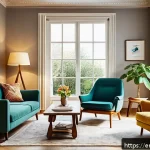
I have a bright blue armchair that serves as the focal point of my living room.
Displaying Personal Items: Telling Your Story
* Showcase family photos, travel souvenirs, and handmade crafts to create a space that reflects your personality. * Arrange your personal items in a way that is both visually appealing and meaningful to you.
I have a shelf dedicated to displaying my collection of vintage cameras.
The Art of Lighting: Creating Ambiance and Warmth
Lighting plays a crucial role in Scandinavian design, as it can significantly impact the mood and atmosphere of a space. Soft, diffused light is preferred over harsh, direct light, as it creates a sense of warmth and coziness.
Candles, lamps, and string lights are often used to create a layered lighting scheme that enhances the feeling of hygge. I always dim the lights in the evening and light a few candles to create a relaxing ambiance.
It’s like my own little ritual to unwind after a long day.
Layered Lighting Schemes: Combining Function and Ambiance
* Use a combination of ambient, task, and accent lighting to create a layered lighting scheme. * Incorporate dimmers to adjust the intensity of the lights and create different moods.
I love the soft glow of my bedside lamps in the evening.
Candles and String Lights: Adding Warmth and Romance
* Use candles and string lights to add a touch of warmth and romance to your space. * Cluster candles together to create a focal point or drape string lights around a window or doorway.
I have a string of fairy lights above my bed that creates a magical atmosphere.
Indoor Greenery: Bringing the Outdoors In
Plants are an essential element of Scandinavian design, as they help to bring the outdoors in and create a connection to nature. Greenery adds life and vibrancy to a space, while also purifying the air and improving your overall well-being.
I remember reading a study that showed how indoor plants can reduce stress levels and improve concentration. It’s amazing how something so simple can have such a positive impact on your health.
Selecting the Right Plants: Greenery for Every Corner
* Choose plants that thrive in indoor environments, such as succulents, snake plants, and ferns. * Consider the amount of light your space receives and select plants that are appropriate for those conditions.
I have a small herb garden on my windowsill that brings a touch of freshness to my kitchen.
Creative Displays: Showcasing Nature’s Beauty
* Display your plants in stylish pots, planters, and hanging baskets to showcase their beauty. * Create a focal point by grouping plants together or placing a large plant in a prominent location.
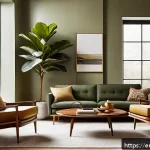
I have a tall fiddle-leaf fig tree in my living room that adds a touch of drama to the space.
Key Elements of Scandinavian Design
Here’s a table summarizing key elements of Scandinavian Design:
| Element | Description | Example |
|---|---|---|
| Color Palette | Neutral tones (whites, grays, light blues) with pops of color. | White walls with a blue armchair and colorful cushions. |
| Materials | Natural materials like wood, wool, linen. | Wooden furniture, wool blankets, linen curtains. |
| Functionality | Emphasis on practical, multi-functional furniture. | Sofa bed, coffee table with storage. |
| Lighting | Soft, diffused light with layered lighting schemes. | Lamps, candles, string lights. |
| Greenery | Incorporation of indoor plants to connect with nature. | Succulents, snake plants, ferns. |
| Minimalism | Clean lines, decluttered spaces, “less is more” philosophy. | Simple furniture, organized storage. |
| “Hygge” | Creating a cozy, comfortable, and inviting atmosphere. | Warm blankets, soft lighting, cozy textiles. |
Embracing Scandinavian design is more than just decorating a space; it’s about curating a lifestyle. It’s about finding joy in simplicity, connecting with nature, and creating a sanctuary that nourishes your soul.
So, go ahead, experiment with these ideas, and create a home that’s not only beautiful but also a reflection of your unique self.
Wrapping Up
Ultimately, Scandinavian design is an invitation to slow down, appreciate the little things, and create a space that brings you joy and contentment. It’s a design philosophy that’s both timeless and adaptable, making it a perfect choice for anyone looking to create a home that’s both stylish and inviting. So, embrace the principles of hygge, simplicity, and sustainability, and transform your home into a Scandinavian-inspired haven.
Remember, it’s not about perfection; it’s about creating a space that feels authentic and reflects your personality. Don’t be afraid to experiment and put your own spin on things. After all, your home should be a reflection of who you are and what you love.
Whether you’re drawn to the clean lines of minimalist furniture, the warmth of natural textures, or the pops of color that add personality, Scandinavian design offers something for everyone. Embrace the principles of hygge, simplicity, and sustainability, and create a home that’s both beautiful and inviting.
Good to Know
1. DIY Projects: Scandinavian design often incorporates DIY elements, allowing you to personalize your space with handmade crafts and upcycled furniture. A simple painted wooden stool or a handmade macrame plant hanger can add a unique touch to your home.
2. Thrift Store Finds: You can often find Scandinavian-inspired furniture and accessories at thrift stores and vintage markets. Look for pieces with clean lines, natural materials, and a minimalist aesthetic. With a little bit of creativity and elbow grease, you can transform these finds into stylish and unique additions to your home.
3. Online Resources: There are numerous websites, blogs, and social media accounts dedicated to Scandinavian design. These resources can provide inspiration, tips, and tutorials for creating your own Scandinavian-inspired space. Pinterest and Instagram are great platforms for discovering new ideas and connecting with other design enthusiasts.
4. Seasonal Updates: You can easily update your Scandinavian-inspired space for different seasons by changing out your textiles and accessories. In the winter, add cozy blankets, warm rugs, and candles to create a hygge atmosphere. In the summer, lighten things up with airy curtains, fresh flowers, and pops of color.
5. Affordable Options: You don’t have to spend a fortune to create a Scandinavian-inspired home. There are many affordable options available at retailers like IKEA and Target. Look for pieces that incorporate natural materials, clean lines, and a minimalist aesthetic. You can also save money by shopping secondhand and DIYing your own decor.
Key Takeaways
Embrace Minimalism: Keep your space decluttered and focus on essential items. Less is truly more in Scandinavian design.
Prioritize Natural Light: Maximize natural light whenever possible by using sheer curtains and light-colored walls.
Incorporate Natural Materials: Use wood, wool, linen, and other natural materials to add warmth and texture to your space.
Create a Cozy Atmosphere: Focus on creating a hygge environment with soft lighting, warm textiles, and comfortable furniture.
Add Personal Touches: Don’t be afraid to add your own personality to your space with artwork, personal items, and pops of color.
Frequently Asked Questions (FAQ) 📖
Q: What exactly makes Scandinavian furniture “Scandinavian”? I mean, I see the clean lines, but is there more to it than just that?
A: Oh, there’s definitely more than meets the eye! Beyond the minimalist aesthetic, it’s really about functionality meeting beauty. Think light woods like birch or pine, designed to maximize natural light, which is crucial in those long Nordic winters.
And the craftsmanship! It’s built to last, often incorporating sustainable materials and practices. I remember when I first got my dining table; the solid wood felt so different from the cheap stuff I was used to.
It’s an investment, really, in quality and a timeless style. Plus, there’s this underlying emphasis on “hygge” – that cozy, comfortable feeling you get when surrounded by things you love.
It’s not just furniture; it’s about creating a warm, inviting atmosphere.
Q: Is Scandinavian design only for modern homes, or can it work in more traditional settings? I love the style, but my house is definitely more “cozy cottage” than “modern minimalist.”
A: That’s a great question! While Scandinavian design is often associated with modern spaces, it’s surprisingly versatile. The key is to incorporate elements thoughtfully.
Maybe start with a few key pieces like a comfortable armchair with a simple, clean design or a wooden coffee table. You can then blend these with your existing décor, using textiles and accessories to bridge the gap.
Think a chunky knit blanket draped over an antique chair, or a few ceramic vases with simple floral arrangements placed on a rustic bookshelf. The trick is to create a balance between the clean lines and natural materials of Scandinavian design and the warmth and character of your existing style.
Don’t be afraid to experiment – it’s all about finding what works for your space!
Q: Where’s the best place to find authentic Scandinavian furniture without breaking the bank? I’ve seen some beautiful pieces, but the prices can be a bit scary!
A: Okay, that’s the million-dollar question! Finding affordable Scandinavian furniture requires a bit of detective work. Obviously, IKEA is a good starting point for budget-friendly options, though the quality can be hit-or-miss.
I’ve had some great finds there, and some that didn’t last. But, don’t overlook consignment shops and vintage stores – you can sometimes stumble upon real gems for a fraction of the price.
Also, keep an eye out for online sales and discounts from smaller, independent Scandinavian design retailers. Another tip is to focus on key pieces and slowly build your collection over time.
Start with something like a good quality sofa and then add smaller items as your budget allows. And remember, the goal is to create a space that feels comfortable and inviting, so don’t feel pressured to buy everything at once!
📚 References
Wikipedia Encyclopedia
구글 검색 결과
구글 검색 결과
구글 검색 결과
구글 검색 결과