Ever dreamt of trading your daily grind for the satisfying scent of sawdust and the joy of crafting beautiful, lasting pieces with your own hands? I know I have!
There’s a magic to turning raw materials into something truly special, something that tells a story and brings warmth to a home. The world of bespoke and artisanal furniture is absolutely thriving, with more folks than ever seeking out unique, high-quality items that simply can’t be found in big box stores.
But let’s be real, moving from a passion project to a profitable business isn’t always straightforward. From my own experience, it takes a solid plan, a dash of courage, and knowing the right steps to set up your workshop for success.
If you’ve been scrolling through Pinterest or Instagram, admiring those stunning handcrafted tables and chairs, and thinking “I could totally do that!”, then you’re definitely in the right place.
We’re going to dive deep into exactly how you can turn that dream into a tangible reality. Let’s get into the nitty-gritty and make your furniture workshop aspirations a reality!
Finding Your Perfect Space and Outfitting Your Workshop
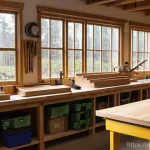
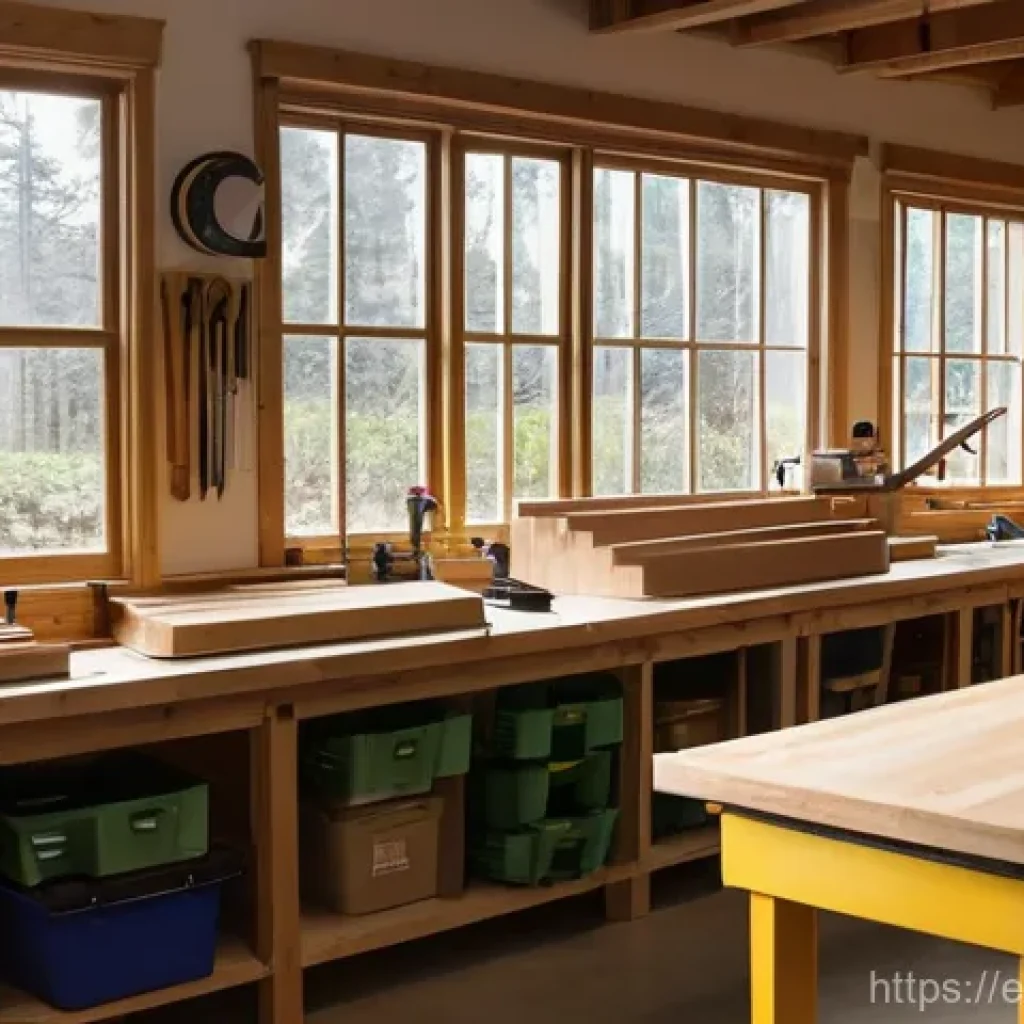
Stepping into your own workshop for the first time is an incredible feeling, almost like stepping onto a blank canvas just waiting for your creativity. But let’s be real, before you can start making magic, you need a place to do it! From my own journey, I quickly learned that “perfect” doesn’t necessarily mean huge or fancy. It means functional, safe, and inspiring. Think about the light – natural light is a game-changer for detailed work and can really boost your mood. Ventilation is another big one, especially when you’re dealing with sawdust, glues, and finishes; nobody wants to breathe that stuff in all day. I remember when I first started, I crammed everything into a corner of my garage, and while it worked for a bit, the constant dust and lack of proper airflow quickly became an issue. Finding a dedicated space, whether it’s a rented commercial unit or a meticulously organized section of your home, will seriously impact your efficiency and overall well-being. Consider local zoning laws and noise ordinances too, especially if you’re planning on using noisy machinery. Don’t underestimate the power of a well-organized, clean, and properly lit space; it truly is the foundation of any successful craft. This initial setup is more than just practical; it’s about creating an environment where you can truly thrive and focus on your craft without unnecessary distractions or hazards.
Location, Location, Location
When you’re first starting out, the temptation might be to find the cheapest space possible, and while budget is always a factor, it’s worth thinking beyond just the rent. Is it easily accessible for material deliveries? Will clients be able to find it if you plan to have a showroom or offer local pickups? Parking can be a nightmare in some areas, and you don’t want that headache added to your daily routine. Consider the community around you – are there other artists or small businesses you could potentially collaborate with? I once scouted a fantastic, affordable unit but realized it was in a commercial park that locked down completely after 6 PM, which just wouldn’t work for those late-night bursts of inspiration or urgent deadlines. Sometimes, a slightly higher rent for a more convenient or visible location pays dividends in the long run, not just for practical reasons but for the morale boost of a space that truly supports your work.
Essential Tools and Equipment to Get Started
Ah, the tools! This is where things can get exciting and, let’s be honest, a little overwhelming. You might feel like you need every fancy machine out there, but trust me, you can start small and grow your collection as your business does. My advice? Prioritize. What are the absolute non-negotiables for the type of furniture you want to make? For me, a reliable table saw, a good set of hand planes, chisels, and clamps were foundational. Don’t forget about dust collection – a good system is worth its weight in gold for health and cleanliness. Used tools can be a fantastic way to save money initially, but be sure to inspect them thoroughly. I’ve found some incredible bargains at estate sales and smaller workshops that were closing down, but I also learned the hard way about buying a “bargain” that needed more repairs than it was worth. As you progress, you’ll naturally identify specialized tools that will make your specific processes more efficient. It’s an ongoing evolution, but starting with quality basics will set you up for success.
Cultivating Your Craft and Defining Your Unique Offering
The beauty of artisanal furniture isn’t just in its construction; it’s in the soul infused into each piece by the maker. This means constantly refining your skills and, perhaps even more importantly, discovering what makes your work uniquely *yours*. It’s a journey, not a destination, and honestly, that’s what keeps it so exciting! I remember spending countless hours poring over woodworking books, watching online tutorials, and even apprenticing briefly with a seasoned craftsman. Every new technique I learned, every mistake I made and fixed, contributed to a deeper understanding of the materials and my own capabilities. This continuous learning is vital because it not only elevates the quality of your output but also allows you to innovate and push the boundaries of your own creativity. Don’t be afraid to experiment, to try that joint you’ve never attempted, or to work with a wood species you’re unfamiliar with. These challenges are where true growth happens. Eventually, you’ll start to see a pattern emerge in your preferences, your techniques, and the aesthetics you gravitate towards, and that’s when your signature style really begins to blossom.
Honing Your Skills and Embracing Lifelong Learning
Never stop learning, truly. The world of woodworking and furniture design is vast and ever-evolving, and there’s always a new technique, a different type of finish, or a more efficient workflow to discover. For me, attending local workshops and even just connecting with other woodworkers on online forums has been invaluable. There’s something special about learning directly from someone who’s mastered a particular skill, whether it’s hand-cut dovetails or intricate veneering. Don’t be discouraged by mistakes; they are, without a doubt, your best teachers. I’ve certainly had my share of “learning experiences” that involved ruined pieces of expensive lumber! But each one taught me patience, precision, and the importance of planning. Consider online courses, local college programs, or even just dedicating a few hours each week to practicing a new skill. The more versatile and skilled you become, the more confidence you’ll have in taking on challenging commissions and ultimately, the better your reputation will be.
Defining Your Signature Style and Niche
This is where your artistic voice truly comes into play. In a crowded market, standing out is key, and your signature style is your superpower. Are you drawn to the clean lines of mid-century modern, the rustic charm of reclaimed wood, or perhaps the intricate details of traditional joinery? When I first started, I tried to do a little bit of everything, thinking it would appeal to more people. What I quickly realized was that I was diluting my efforts and not truly excelling at anything. By focusing on live-edge slab furniture with a contemporary steel base, for example, I could really dive deep into mastering that aesthetic and technique. Think about the materials you love to work with, the forms that excite you, and the story you want your furniture to tell. Once you define this niche, it makes everything else – from marketing to sourcing materials – so much clearer and more focused. Your ideal customer will also find you more easily because they’re specifically looking for *your* unique offering.
Laying the Groundwork: Business Plans and Legalities
Alright, so you’ve got the passion, the skills, and a budding workshop – now it’s time to put on your business hat. This part might not be as glamorous as sanding a perfectly smooth tabletop, but it’s absolutely critical for turning your craft into a sustainable living. When I first plunged into this, the legal and financial aspects felt like wading through treacle. But I quickly learned that ignoring them was a recipe for disaster. A solid business plan isn’t just a document; it’s your roadmap, your guiding star. It forces you to think through every aspect, from who your customers are to how you’ll make money and what challenges you might face. And then there are the legal bits – registering your business, understanding taxes, and getting the right insurance. It can feel daunting, but honestly, once you’ve got these foundations in place, it provides such immense peace of mind. It allows you to focus on what you love most: creating beautiful furniture, knowing that the practicalities are handled. Think of it as building a strong, invisible frame for your entire venture; without it, everything else is shaky.
Developing Your Business Blueprint
A business plan might sound intimidating, but it’s really just a way to map out your ideas and goals. Start with your mission statement – what is the core purpose of your furniture workshop? Then, think about your target market: who are you selling to? What problem are you solving for them (e.g., providing unique, high-quality furniture that lasts)? You’ll want to outline your products or services, your marketing strategies, and importantly, your financial projections. This includes startup costs, operating expenses, and how you expect to generate revenue. When I drafted my first business plan, it helped me identify gaps in my thinking and forced me to do more research on pricing and market demand. It’s not a rigid document written in stone; it’s a living guide that you’ll revisit and adjust as your business evolves. Even if you’re not seeking external funding, having a clear plan helps clarify your vision and gives you tangible goals to work towards.
Navigating Legalities and Registrations
This is where you make your business official. Depending on where you live, you’ll need to decide on a business structure (sole proprietorship, LLC, partnership, etc.) and register your business name with the appropriate government agencies. I remember the headache of trying to figure out if I needed a specific permit for operating a workshop from home versus a commercial space. It’s crucial to research your local, state, and federal requirements. This includes obtaining any necessary licenses or permits for your type of business and ensuring you comply with zoning laws. Don’t forget about an Employer Identification Number (EIN) if you plan on hiring staff or operating as an LLC. It can feel like a maze, but resources are available through small business associations or even a good local lawyer who specializes in small business startups. Getting this right from the beginning prevents potential legal headaches down the line.
Showcasing Your Masterpieces: Marketing and Visibility
You can create the most stunning, heirloom-quality furniture in the world, but if no one knows about it, your workshop isn’t going to thrive. Marketing, especially for an artisanal business, isn’t about being pushy; it’s about telling your story, showcasing your passion, and connecting with people who appreciate handmade quality. For me, learning to effectively market my work was a huge growth area, and honestly, a fun one once I stopped seeing it as a chore and more as an extension of my creative process. Think about it: every piece you create has a story – from the wood’s origin to the hours of meticulous craftsmanship. Your marketing is how you share that story. It’s about building trust and rapport with potential clients, making them feel a connection to your brand and the items you produce. This is where your unique style and the quality of your work really shine, attracting clients who value what you do. It’s a continuous effort, but the payoff, in terms of reaching your ideal customer, is immense and deeply satisfying.
Building an Engaging Online Presence
In today’s world, an online presence isn’t just nice to have; it’s essential. Think of your website or your social media profiles as your digital showroom. High-quality photography is paramount here; professional-looking images that truly capture the beauty, texture, and detail of your furniture can make all the difference. Instagram and Pinterest are goldmines for visual crafts like furniture making, allowing you to tell a visual story of your process, materials, and finished pieces. Don’t underestimate the power of short-form video on platforms like TikTok or Instagram Reels to show snippets of your work in progress. I’ve found that customers love seeing the “behind the scenes” of how something is made. Beyond showcasing your work, engage with your audience. Respond to comments, ask questions, and build a community around your brand. A compelling online presence should not only display your portfolio but also reflect your brand’s personality and values, making potential clients feel connected to your craft even before they make a purchase.
Showcasing Your Work in the Real World
While online is crucial, nothing beats seeing and feeling a piece of furniture in person. This is where local craft fairs, art markets, and pop-up shops become incredibly valuable. These events offer a direct connection with potential clients, allowing them to touch your work, ask questions, and hear your story firsthand. I’ve met some of my most loyal customers at local markets. Consider collaborating with local interior designers or architects; they are always on the lookout for unique, custom pieces for their clients and can be a fantastic source of commissions. Displaying your work in local galleries, coffee shops, or even a local bank can also generate interest. These real-world interactions build trust and allow you to make a lasting impression that a digital image simply can’t always convey. Personal connections are invaluable, and seeing the immediate reaction to your craftsmanship is incredibly rewarding.
| Consideration | Description |
|---|---|
| Workshop Space | Rent or convert a suitable area with adequate light, ventilation, and power. Ensure compliance with local zoning laws and safety regulations. |
| Essential Tools | Invest in core woodworking machinery (table saw, planer, jointer, dust collector) and hand tools. Prioritize quality and safety features. |
| Business Registration | Formalize your business structure (e.g., Sole Proprietorship, LLC) and register your business name with relevant authorities. Obtain an EIN if necessary. |
| Insurance | Secure comprehensive business insurance, including liability insurance, property insurance for your workshop and tools, and potentially workers’ compensation if you hire staff. |
| Material Sourcing | Establish reliable suppliers for quality timber, hardware, finishes, and other materials. Consider sustainable and local sourcing options. |
| Online Presence | Develop a professional website/portfolio and active social media profiles (Instagram, Pinterest) to showcase your work and engage with customers. |
| Financial Planning | Create a detailed business plan including startup costs, operating expenses, pricing strategy, and revenue projections. Secure initial funding. |
Pricing Your Art: Finding the Sweet Spot for Profit
Ah, pricing. This is often one of the trickiest parts for any artisan, myself included! It’s not just about covering your costs; it’s about valuing your time, your skill, and the unique story woven into every piece. When I first started, I drastically underpriced my work, mostly because I was nervous about asking for what it was truly worth. What I quickly learned was that underpricing not only hurts your bottom line but can also inadvertently send a message about the perceived quality of your work. People often associate higher prices with higher value and craftsmanship, and you deserve to be compensated fairly for your talent and dedication. This isn’t about getting rich quick; it’s about building a sustainable business that allows you to continue doing what you love. It involves a careful balance of calculating all your expenses, understanding your market, and having the confidence to stand by your pricing. It’s a skill that develops over time, and honestly, you’ll probably adjust your strategy as you grow and learn more about your market and your own efficiency.
Calculating Your Costs Accurately
Before you can even think about profit, you need to know exactly what it costs you to make each piece. This goes beyond just the raw materials. Think about the cost of your wood, hardware, finishes, glue, sandpaper, and even the electricity you use to run your machines. Don’t forget consumables that might seem small but add up. When I started meticulous record-keeping, I was surprised by how many little things chipped away at my profit margins. A good spreadsheet is your best friend here. Factor in any special tooling, template costs, or even delivery expenses. Every single component that goes into creating that piece, from the moment you select the lumber to the final coat of finish, needs to be accounted for. This isn’t just about being financially smart; it’s about understanding the true investment of resources you put into each item, which, in turn, helps you appreciate the value of your own work more deeply.
Valuing Your Time and Expertise
This is often the hardest part for artists and makers. How do you put a dollar amount on hours of thoughtful design, years of honed skill, and the sheer effort of meticulous craftsmanship? My advice: treat your time like any other valuable resource. Calculate an hourly rate for yourself that covers your living expenses, benefits, and a reasonable profit margin. Then, meticulously track the hours you spend on each project, from initial design sketches to the final buffing. This isn’t just about the hands-on building; it includes time spent on client consultations, sourcing materials, administrative tasks, and even marketing your work. Many new artisans make the mistake of only charging for “build time,” forgetting that all the other elements are crucial to running a business. Your expertise, the unique solutions you bring to custom commissions, and the years you’ve invested in mastering your craft are all incredibly valuable and should be reflected in your pricing.
Building Your Brand and Connecting with Your Community
Your furniture isn’t just wood and joinery; it’s a reflection of you, your values, and your artistic vision. Building a strong brand is about much more than just a logo; it’s about the entire experience you offer, from the moment a potential client discovers your work to years after a piece has found its home. I remember feeling a bit lost on this initially, thinking my work should just “speak for itself.” And while quality certainly does, a strong brand gives your work context, personality, and a story that resonates. It’s how you differentiate yourself in a market full of talented makers. Think about the emotions you want your furniture to evoke, the lifestyle it enhances, and the legacy it creates. This deeper understanding will guide everything from your website’s aesthetic to how you interact with customers. A well-defined brand builds loyalty, attracts your ideal clients, and ultimately allows your business to flourish far beyond simply selling individual pieces. It’s about creating a connection, an identity that people can recognize and trust, and truly fall in love with.
Crafting Your Unique Brand Identity
Your brand identity is the personality of your business. It encompasses your logo, your color palette, your tone of voice, and even the type of imagery you use. Does your brand feel rustic and grounded, sleek and modern, or perhaps whimsically artistic? Consistency is absolutely key here. Ensure that your brand messaging is uniform across all platforms – your website, social media, business cards, and even your packaging. I found that having a clear brand story – what inspired me to start, what values I hold dear – really helped potential clients connect with my work on a deeper level. People aren’t just buying furniture; they’re buying into a narrative, a set of values, and a commitment to craftsmanship. Investing time into developing a strong, authentic brand identity will make your business memorable and set you apart from the competition, drawing in clients who truly align with your artistic vision.
Engaging with Your Local Community
While the internet offers a global reach, don’t underestimate the power of your local community. Becoming an active and recognized part of your local scene can open up incredible opportunities. This could mean participating in local artisan markets, sponsoring a community event, or collaborating with other small businesses in your area, like interior designers, architects, or even local coffee shops that might display your work. I’ve found that hosting open studio days or small workshops has been a fantastic way to introduce people to my craft and build genuine connections. These local interactions build trust and provide invaluable word-of-mouth referrals. People love supporting local businesses, and when they see you actively contributing to the community, it strengthens their connection to your brand. It’s about building relationships, not just making sales, and these relationships often lead to long-term customers and advocates for your work.
Navigating the Financials: Funding and Growth Strategies
Let’s talk money. I know, it’s often the least exciting part of starting a creative business, but it’s absolutely fundamental to its survival and growth. From my own experiences, I’ve learned that a solid understanding of your finances isn’t just about balancing the books; it’s about giving your passion the fuel it needs to thrive. It can feel intimidating, especially when your primary focus is on crafting beautiful pieces. But trust me, taking the time to understand where your money is coming from and where it’s going will save you countless sleepless nights. Whether it’s securing startup capital or managing daily cash flow, a proactive approach to your finances frees you up to concentrate on the creative work you love. Think of managing your money like carefully selecting and preparing your lumber – each step ensures a strong, stable foundation for everything you build on top of it. This financial savvy is what transforms a beloved hobby into a resilient and flourishing business.
Exploring Startup Capital Options
Getting your workshop off the ground often requires some initial investment, and it’s rare that personal savings alone can cover everything. When I was looking for funding, I explored a few avenues. Small business loans, particularly those offered by government-backed programs, can be a great option with favorable terms. Don’t overlook grants specifically designed for artisans or small businesses; these can be competitive but are essentially free money if you qualify! Crowdfunding platforms, where you offer unique rewards in exchange for pledges, are also a fantastic way to not only raise capital but also build a community of early supporters. I’ve seen some incredible success stories from fellow makers who used platforms like Kickstarter or Indiegogo. It’s about finding the right fit for your specific needs and comfort level, but actively seeking out these options is crucial. Don’t be afraid to put together a compelling case for why your work deserves investment; passionate storytelling can go a long way in securing the capital you need to truly kickstart your dream.
Managing Cash Flow and Expenses
Once you’re up and running, consistent cash flow management becomes your daily mantra. This means keeping a close eye on your income and expenses to ensure you always have enough money to cover your operational costs. Separate business accounts are a non-negotiable from day one; mixing personal and business finances just creates a muddled mess come tax time. I learned this lesson the hard way! Implement good record-keeping practices for all your transactions, perhaps using simple accounting software or even just a detailed spreadsheet. Track every purchase, every sale, and every overhead cost. Understanding your peak seasons and slower periods will help you anticipate when to scale up production or conserve funds. Effective cash flow management isn’t about being stingy; it’s about being smart and strategic, ensuring that your business has a healthy financial pulse that supports its ongoing growth and stability. This proactive approach lets you focus on creating, without the constant worry of impending financial bottlenecks.
Wrapping Things Up
Whew! We’ve covered a lot of ground today, haven’t we? From finding that perfect corner to crafting your brand and navigating the sometimes-head-spinning world of business, it’s clear that building a furniture workshop is a journey with many exciting twists and turns. But truly, it’s one of the most rewarding adventures I’ve ever embarked on. Remember that every single piece you create, every challenge you overcome, and every satisfied customer you serve, adds another layer to your story. Keep that passion burning bright, stay curious, and never stop refining your craft. The joy of bringing something beautiful and lasting into the world with your own hands is truly unparalleled, and I wouldn’t trade it for anything.
Useful Insights You’ll Thank Me For
1. Safety First, Always! This might sound obvious, but it’s worth reiterating. Invest in quality safety gear – eye protection, hearing protection, and good dust masks are non-negotiable. Seriously, a minor slip can have major consequences. And make sure your workshop is organized; a cluttered space is an accident waiting to happen.
2. Network Like Crazy: Connect with other local artisans, join online forums, and attend industry events. The insights, advice, and even potential collaborations you gain from fellow makers are invaluable. I’ve learned some of my best tricks and found amazing suppliers just by chatting with peers.
3. Embrace Your Mistakes: No one is perfect, and you *will* make errors – often costly ones. Don’t let them defeat you. Each mistake is a profound learning opportunity, teaching you what *not* to do next time, or how to creatively fix a problem. It’s all part of the journey to mastery.
4. Build a Buffer Fund: Unexpected costs pop up all the time, from a machine breaking down to a sudden need for more expensive lumber. Having a financial cushion can relieve immense stress and prevent you from having to rush or compromise your work due to cash flow issues.
5. Tell Your Story: People connect with authenticity. Whether it’s on your website, social media, or in person, share the passion, the process, and the personal touches behind your work. This creates a deeper bond with your customers and turns them into loyal fans, not just buyers.
Key Takeaways for Your Workshop Journey
Embarking on the path of an artisan furniture maker is incredibly fulfilling, but it demands careful planning and a deep commitment to both your craft and your business acumen. From my personal experience, establishing a functional and safe workspace is paramount, forming the very foundation upon which all your creative endeavors will rest. Equally critical is the continuous refinement of your skills and the courage to define a unique style that truly sets your work apart in a crowded market. Never shy away from the business side of things; a robust plan, proper legal registrations, and intelligent financial management are the silent forces that sustain your passion, allowing it to grow from a dream into a thriving enterprise. Ultimately, success stems from a blend of unwavering dedication to quality, strategic marketing that tells your compelling story, and a genuine connection with your community. It’s a holistic approach, where every piece of the puzzle—from the first design sketch to the final client interaction—चcontributes to building a legacy of beautiful, handcrafted furniture that truly resonates.
Frequently Asked Questions (FAQ) 📖
Q: I’m ready to turn my woodworking passion into a real business! Where do I even begin, and what are the absolute must-have tools without emptying my wallet?
A: Oh, I totally get that excitement! It’s such a thrilling leap to go from hobbyist to entrepreneur. From my own experience, the very first thing you need to do is get crystal clear on your vision and who you want to serve.
Don’t just make “furniture”; carve out a specific niche. Are you dreaming of rustic farmhouse tables, sleek minimalist credenzas, or perhaps beautiful, custom-built-ins?
Knowing your style and your ideal customer (like young professionals looking for sustainable pieces or families needing durable, custom storage) will guide every decision from there.
Now, about tools – this is where it can feel overwhelming, right? You don’t need every fancy machine on day one. I’d strongly recommend starting with a solid foundation of essential hand tools and a few versatile power tools.
Think about prioritizing a good quality table saw – it’s often called the “heart of the workshop” for a reason, offering incredible precision for straight cuts.
A reliable miter saw for accurate crosscuts, a router for shaping edges, and an orbital sander for those smooth finishes are also game-changers without requiring a huge initial outlay.
Don’t forget clamps – you can never have enough! And, of course, your measuring and marking tools are your best friends. As your business grows and you start making sales, then you can slowly upgrade and add more specialized equipment.
Many of us started in a garage, myself included, and built up our arsenal over time. It’s about smart, incremental investment, not a giant spending spree from the get-go.
Q: How can I make my furniture stand out when there’s so much out there, from big stores to other talented artisans? I want to create something truly unique!
A: This is probably one of the most crucial questions you can ask yourself, and honestly, it’s what keeps me excited about what I do! In a market flooded with choices, your unique selling proposition (UVP) is your superpower.
It’s not just about making a nice table; it’s about telling a story and delivering an experience that no one else can. Think about what makes your work, your process, or your values truly different.
For me, it came down to a few things. First, really dig into what inspires you. Is it a particular wood type, a historical design era, or a commitment to reclaimed materials?
Whatever it is, let that passion shine through in every piece. Your brand identity, from your logo to the tone of your social media, needs to reflect this authentic voice.
Secondly, focus on the narrative. People don’t just buy furniture; they buy the craftsmanship, the dedication, and the story behind it. Share your journey, show glimpses of your workshop, talk about the challenges and triumphs of each project.
Videos of your process on Instagram or a blog post about sourcing materials can create an emotional connection with your audience. Lastly, consider offering customization.
This is a huge draw for bespoke furniture – the ability for a client to get exactly what they envision, made just for them. That personal touch, that sense of exclusivity, is something big box stores simply can’t replicate, and it builds immense trust and loyalty.
Q: Okay, so I’ve made some beautiful pieces! Now, how do I actually sell them and start building a real client base? I need to get them seen!
A: Ah, the moment of truth! You’ve poured your heart and soul into creating something wonderful, and now it’s time for it to find its forever home. Trust me, the shift from maker to marketer can feel a bit daunting, but it’s totally achievable.
From my experience, a multi-pronged approach works best. First, you absolutely need a strong online presence. Think visually!
Platforms like Instagram and Pinterest are your best friends because they’re perfect for showcasing your stunning photography. High-quality photos are NON-NEGOTIABLE – seriously, good lighting and staging can make all the difference.
A professional website is also crucial; it acts as your digital showroom and allows you to tell your brand’s story in a cohesive way. You could also explore specialized marketplaces like Etsy for handcrafted items, but remember to differentiate yourself even there.
Beyond online, don’t underestimate the power of local engagement. Craft fairs and local markets are fantastic for getting face-to-face feedback, making sales, and networking with potential clients and interior designers.
There’s nothing quite like seeing a piece in person. Word-of-mouth is still king in the bespoke world, so always go above and beyond with customer service – happy clients are your best advertisers.
As for pricing, that’s a whole other beast, but remember to factor in your materials, your time, and your skill. Don’t undersell your craft! It might feel a little uncomfortable at first, but with consistent effort and genuine connection, your client base will grow organically.