In today’s world, more people are seeking furniture that not only looks great but also supports a healthier planet. Eco-friendly furniture brands are leading the way by using sustainable materials and ethical manufacturing processes.
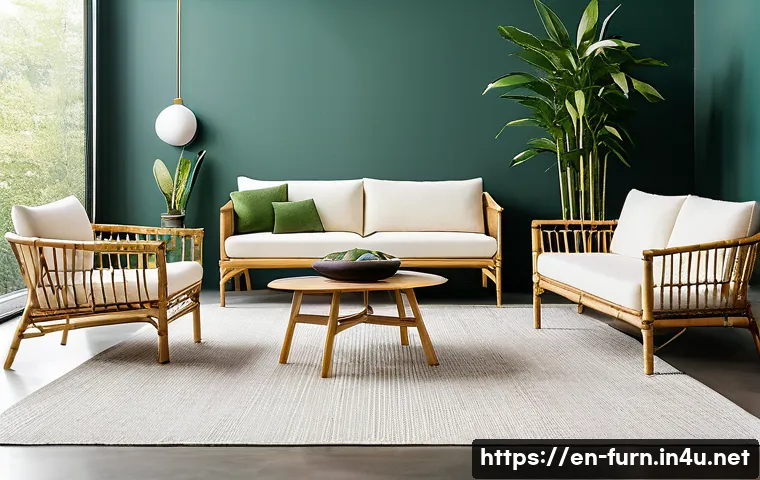
Choosing these products means contributing to reduced waste and lower carbon footprints without compromising style or comfort. I’ve personally noticed how these pieces bring a unique warmth and story to any space.
Let’s dive deeper and explore exactly why these green choices are becoming a must-have in modern homes. Get ready—I’ll guide you through all the details!
Choosing Materials That Make a Difference
Natural Fibers and Their Benefits
When it comes to eco-friendly furniture, the choice of materials is crucial. Natural fibers like organic cotton, hemp, and jute are gaining popularity because they’re biodegradable and require less water and chemicals during production.
I’ve found that furniture made with these materials not only feels better to the touch but also ages gracefully, adding a rustic charm to any room. Plus, since these fibers come from plants, they help reduce reliance on synthetic fabrics that often end up polluting our oceans.
Reclaimed Wood: Beauty in Imperfection
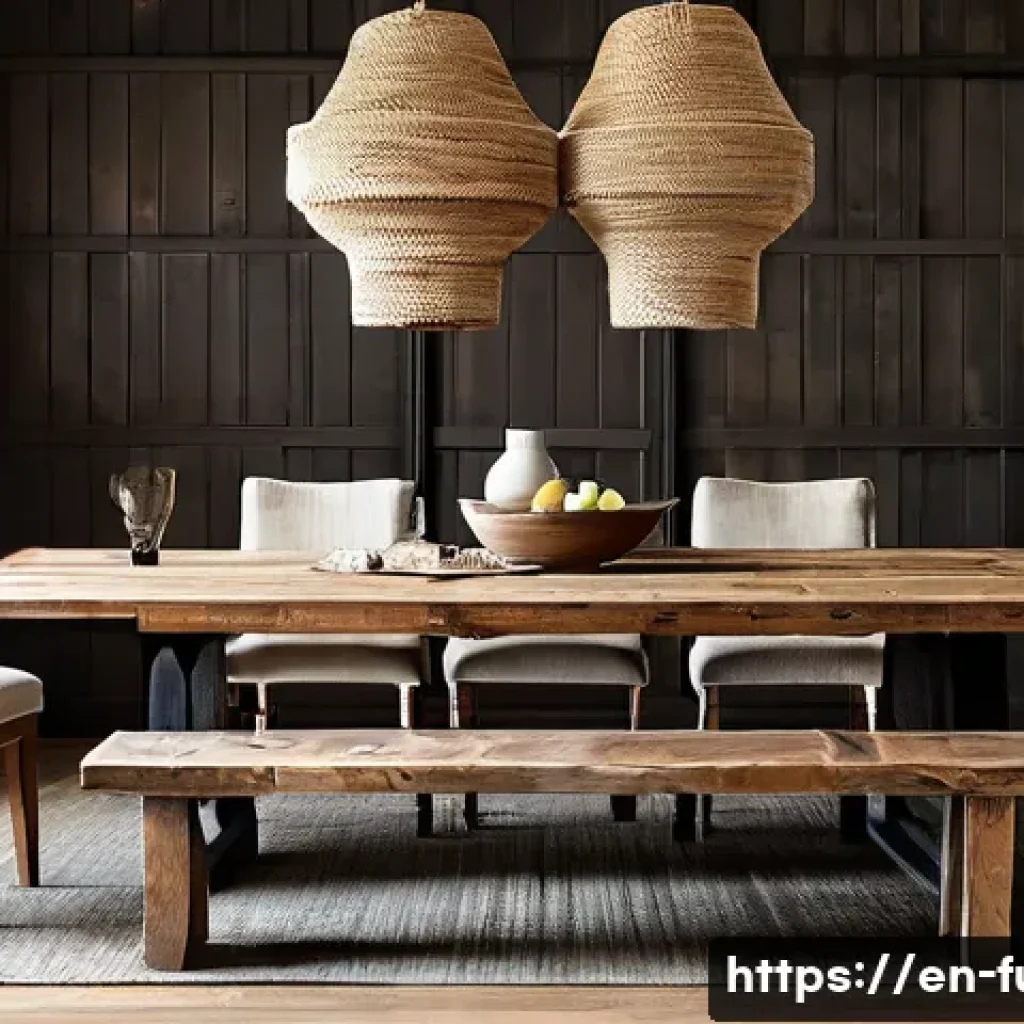
One of the most inspiring trends I’ve noticed is the use of reclaimed wood. This isn’t just any wood—it’s sourced from old buildings, barns, or even fallen trees, given new life as stunning furniture pieces.
Using reclaimed wood dramatically cuts down on deforestation, and the unique grain patterns tell a story you won’t find in factory-made items. I personally love how no two reclaimed wood pieces are identical, giving my home a cozy, one-of-a-kind vibe.
Low-Impact Finishes and Treatments
Finishes and treatments can make or break a furniture piece’s environmental footprint. Many eco-conscious brands are now opting for water-based stains, natural oils, or waxes instead of harsh chemical varnishes.
This choice not only ensures better indoor air quality but also means fewer toxins end up in the environment. From my experience, these finishes maintain the wood’s natural beauty while providing durability, which is a win-win for style and sustainability.
Ethical Craftsmanship and Fair Labor Practices
Why Transparency Matters
More than just the materials, I’ve come to appreciate brands that openly share their production processes and labor practices. Transparency builds trust and shows a commitment to ethical standards, which is often missing in mass-produced furniture.
Knowing that workers are paid fairly and work in safe conditions adds a layer of satisfaction when buying these products. It feels good to support companies that value people as much as the planet.
The Role of Local Artisans
Supporting local artisans is another way eco-friendly furniture brands make a positive impact. Handcrafted pieces often use less energy-intensive methods and create less waste compared to factory production.
I’ve had the chance to visit small workshops, and the dedication artisans put into their craft is inspiring. Their work results in unique designs that carry a personal touch, unlike anything you’d find on a big-box store shelf.
Certifications That Guarantee Ethical Standards
Certifications like Fair Trade, FSC (Forest Stewardship Council), and B Corp can be helpful indicators of ethical practices. These seals assure consumers that the furniture has been produced under strict environmental and social guidelines.
While certifications aren’t foolproof, I personally use them as a quick reference when exploring new brands or pieces. They provide added peace of mind and help steer my choices toward more responsible options.
Designing Spaces with Eco-Friendly Furniture
Mixing Sustainability with Style
One common misconception I’ve encountered is that eco-friendly furniture lacks style. On the contrary, these pieces often blend timeless designs with modern aesthetics effortlessly.
Whether it’s a sleek bamboo chair or a reclaimed wood dining table, sustainable furniture can become the focal point of any room. I’ve found that these items invite conversation and admiration, sparking interest about their origins and the values they represent.
Creating a Cozy, Healthy Environment
Furniture made from natural and non-toxic materials contributes to healthier indoor air quality. This is something I noticed immediately after switching to eco-friendly pieces at home—the air feels fresher, and I’m less bothered by allergies or chemical sensitivities.
Beyond health, these items also tend to create a warmer, more inviting atmosphere, as their textures and natural colors connect us to the outdoors in subtle but powerful ways.
Longevity Over Trends
Choosing quality eco-friendly furniture often means investing in pieces designed to last decades, not just seasons. I’ve learned that durability is key to sustainability because furniture that lasts reduces the need for frequent replacements and thus lowers waste.
These investments might seem pricier upfront, but when you consider the long-term value and environmental benefits, they’re well worth it.
Innovations Driving Sustainable Furniture Forward
Biodegradable and Compostable Components
The furniture industry is evolving fast, with exciting developments like biodegradable cushions, plant-based foams, and compostable upholstery fabrics.
I recently tried a sofa with a cushion made from natural latex and wool, and it was surprisingly comfortable and supportive. These innovations reduce landfill waste and offer a circular lifecycle for furniture materials, making the eco-friendly choice easier than ever before.
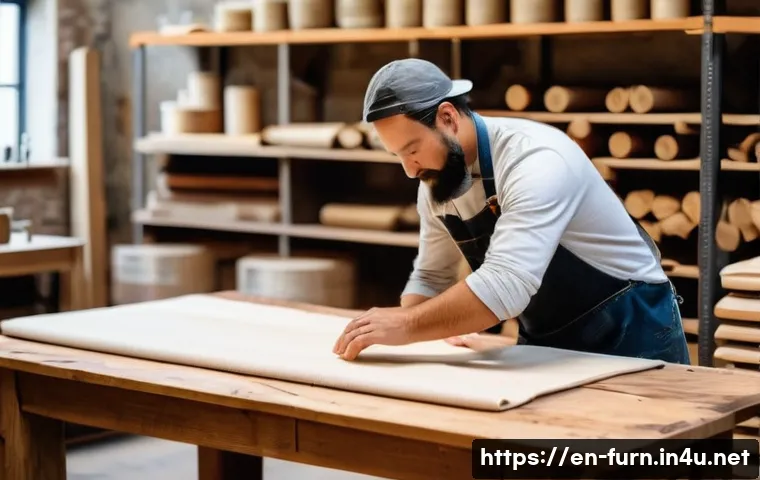
Smart Manufacturing Techniques
Cutting-edge manufacturing technologies, such as 3D printing and precision cutting, are helping reduce material waste dramatically. Some brands use software to optimize how much wood or fabric is used, minimizing scraps that would otherwise be discarded.
From what I’ve seen, these techniques also allow for customization and small-batch production, which reduces overproduction—a big problem in traditional furniture manufacturing.
Upcycling and Modular Designs
Upcycling old furniture or designing modular pieces that can be reconfigured and repaired is becoming a game-changer. I personally love modular sofas because they adapt to my changing needs, preventing me from buying new furniture every time I move or redecorate.
Upcycling, on the other hand, transforms unwanted or broken items into stylish new creations, reducing waste and promoting creativity.
How to Spot Truly Sustainable Furniture
Ask the Right Questions
When shopping for eco-friendly furniture, it pays to be curious and ask brands about their sourcing, manufacturing, and labor practices. Questions like “Where do your materials come from?” or “How do you ensure minimal environmental impact?” can reveal a lot about their commitment.
From my experience, brands that are genuinely sustainable are happy to share details and even invite you behind the scenes.
Check for Certifications and Labels
Labels such as FSC, GREENGUARD, or OEKO-TEX are useful signals, but they should be combined with your own research. Not every label guarantees 100% sustainability, but they do show a level of accountability.
I always cross-check certifications with reviews and brand transparency to make sure my purchases align with my values.
Trust Your Instincts and Experience
Sometimes, it’s about how a piece feels or looks in your home. I’ve learned to trust my gut—if something feels sturdy, well-made, and has a story behind it, chances are it’s a good sustainable pick.
The emotional connection to furniture is just as important as the environmental impact, and finding that balance makes every purchase more meaningful.
Comparing Popular Sustainable Materials
| Material | Environmental Impact | Durability | Maintenance | Typical Use |
|---|---|---|---|---|
| Reclaimed Wood | Very low, reduces deforestation | High, ages beautifully | Occasional polishing, avoid moisture | Tables, chairs, shelves |
| Bamboo | Rapidly renewable, low water use | Moderate to high | Clean with damp cloth | Flooring, furniture frames |
| Organic Cotton | Lower pesticides, biodegradable | Moderate, depends on weave | Machine washable, gentle cycle | Upholstery, cushions |
| Hemp | Requires little water, biodegradable | High, strong fibers | Air dry preferred | Fabrics, ropes, upholstery |
| Recycled Metal | Reduces mining impact | Very high | Wipe clean, rust prevention | Frames, legs, accents |
Conclusion
Choosing eco-friendly furniture means making thoughtful decisions that benefit both your living space and the planet. By prioritizing natural materials, ethical craftsmanship, and sustainable design, you can create a home that feels authentic and healthy. It’s rewarding to know that your furniture not only looks great but also supports a greener future. Small changes in your choices can lead to a big environmental impact over time.
Useful Information to Keep in Mind
1. Always inquire about the source of materials and the manufacturing process to ensure transparency and sustainability.
2. Look for reputable certifications like FSC or Fair Trade as indicators of ethical and eco-friendly practices.
3. Consider the longevity and maintenance of furniture to maximize its environmental benefits and value.
4. Explore modular or upcycled furniture options to reduce waste and adapt to changing needs.
5. Trust your personal experience and connection with the furniture to find pieces that truly resonate with your lifestyle and values.
Key Takeaways
Selecting sustainable furniture involves more than just eco-friendly materials; it requires attention to ethical labor, craftsmanship, and innovative design. Prioritize brands that are transparent and hold certifications to ensure responsible production. Invest in durable, timeless pieces that enhance your home’s health and style while minimizing environmental impact. Finally, embrace creativity through upcycling and modular designs to support a circular economy and reduce waste. Making informed choices leads to meaningful, lasting change.
Frequently Asked Questions (FAQ) 📖
Q: What makes furniture eco-friendly, and how can I be sure a brand is truly sustainable?
A: Eco-friendly furniture is made using materials that are renewable, recycled, or responsibly sourced, such as FSC-certified wood, bamboo, or reclaimed materials.
Additionally, sustainable brands focus on ethical manufacturing processes that minimize waste, reduce carbon emissions, and often use non-toxic finishes.
To verify a brand’s commitment, look for certifications like FSC, Greenguard, or Cradle to Cradle, and check if they’re transparent about their supply chain and production methods.
Personally, I’ve found that brands willing to share these details usually stand behind their green promises with genuine care.
Q: Does choosing eco-friendly furniture mean I have to sacrifice style or comfort?
A: Not at all! One of the best parts about sustainable furniture is that it combines both aesthetics and comfort seamlessly. In fact, many eco-friendly pieces come with unique textures and stories—like the natural grain of reclaimed wood or the warmth of organic fabrics—that add character to any room.
From my experience, these items often feel more authentic and inviting compared to mass-produced alternatives, proving you can have a stylish home without compromising on comfort or your environmental values.
Q: Is eco-friendly furniture more expensive, and is it worth the investment?
A: It’s true that sustainable furniture can sometimes come with a higher upfront cost, mainly because of the quality of materials and ethical labor practices involved.
However, I’ve noticed that these pieces often last longer and age beautifully, which means you’re investing in durability rather than disposable trends.
Over time, this durability can save money and reduce waste. Plus, knowing your purchase supports a healthier planet adds a value that goes beyond price tags—making it a truly worthwhile investment in both your home and the environment.