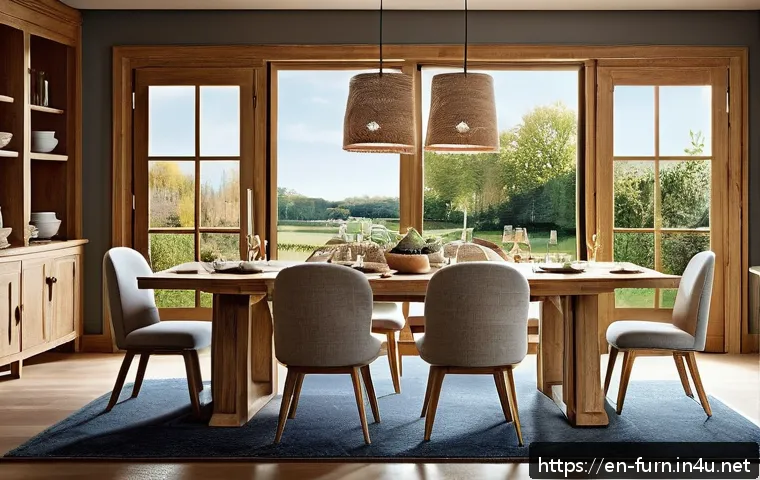
In today’s eco-conscious world, buying and selling secondhand furniture has become more popular than ever. Whether you’re hunting for unique vintage pieces or looking to declutter while making some extra cash, finding a reliable platform is key.
With so many options out there, it can be overwhelming to know where to trust your transactions. That’s why I’ve gathered the top trusted platforms that make buying and selling used furniture simple, safe, and satisfying.
Stick around, because these go-to sites not only save you money but also help reduce waste—win-win! Let’s dive into the best places where your next furniture find or sale can happen with confidence.
Reliable Online Marketplaces for Secondhand Furniture
How to Navigate Popular Platforms
When it comes to buying or selling used furniture, well-known online marketplaces like Craigslist, Facebook Marketplace, and OfferUp are often the first stops.
From my own experience, these platforms offer a vast variety of items and the convenience of local transactions, which means you can often avoid hefty shipping fees.
However, the sheer volume of listings means you have to be vigilant. Always check seller ratings, ask for detailed photos, and arrange safe meetups in public places.
I’ve found that messaging back and forth to get a sense of the seller’s responsiveness and honesty saves a lot of headaches down the line.
Pros and Cons of Major Marketplaces
Each platform has its quirks. Craigslist, for example, is great for finding a diamond in the rough, but it lacks built-in payment protection, so you need to be cautious.
Facebook Marketplace benefits from social integration; you can often see mutual friends or profiles, which adds a layer of trust. OfferUp has a solid rating system and even offers shipping options now, which broadens your reach beyond your local area.
Based on what I’ve seen, the key is balancing convenience with safety.
Tips to Maximize Success
To get the best deals, timing matters. Sellers often post new items on weekends or evenings, so checking frequently pays off. When selling, clear, well-lit photos and honest descriptions attract serious buyers quickly.
I also recommend setting competitive prices by researching similar items on the platform. From my personal selling experience, prompt communication and flexibility on pickup times usually lead to smoother, faster sales.
Specialized Apps That Make Buying and Selling Easy
Why Dedicated Furniture Apps Stand Out
Unlike general marketplaces, apps like Chairish, AptDeco, and Kaiyo focus exclusively on furniture, which means the listings are curated and often of higher quality.
I’ve personally found that these platforms provide a better browsing experience with filters for style, size, and price range, making it easier to find exactly what you need.
Plus, they often handle payments and delivery logistics, which takes a lot of stress off your shoulders.
Features That Enhance User Confidence
One thing that impressed me about these apps is their buyer protection policies. For instance, AptDeco offers a money-back guarantee if the item isn’t as described, and Kaiyo emphasizes eco-friendly practices by refurbishing furniture.
These added guarantees make me feel more comfortable making larger purchases, especially when buying vintage or high-end pieces. Knowing there’s a return policy is a game-changer.
How Selling Works on These Platforms
Selling through specialized apps usually involves a simple listing process: upload photos, provide details, and set your price. What I appreciated was how some platforms offer pickup services for sellers, which is incredibly convenient if you don’t have a vehicle.
The commission fees vary, but the ease of use and wider audience often justify the cost. It’s a great way to turn unwanted furniture into cash without the usual hassles.
Local Buy-and-Sell Groups and Community Boards
Finding Hidden Gems in Your Neighborhood
Community-driven platforms like Nextdoor or local Facebook groups can be gold mines for secondhand furniture. I’ve stumbled upon some fantastic deals by joining neighborhood groups where people post items before they hit larger marketplaces.
These groups tend to be more trustworthy since members often know each other or share mutual neighbors, which creates a safer buying environment.
Engaging with Sellers and Buyers Locally
One thing I noticed is that local groups encourage direct communication and sometimes even bartering. For sellers, this can mean faster sales without shipping costs, and for buyers, it means negotiating prices face-to-face.
Participating actively in these groups, asking questions, and building rapport often leads to better deals and even future leads on furniture.
Best Practices for Using Community Boards
To make the most out of local groups, set notifications for furniture-related posts so you don’t miss fresh listings. Always check the poster’s profile and reviews if available, and never hesitate to ask for extra photos or details.
From personal experience, meeting in safe, public locations or during daylight hours adds an important layer of security.
Understanding Payment and Shipping Options
Secure Payment Methods to Avoid Scams
When dealing with secondhand furniture, payment safety is paramount. I’ve learned to prefer platforms that offer escrow or in-app payment systems because they hold funds until the buyer confirms receipt of the item as described.
Avoiding cash-only deals or wire transfers has saved me from potential scams. Services like PayPal Goods & Services or Venmo (with buyer protection) are safer choices if you’re transacting independently.
Shipping vs. Local Pickup: What Works Best?
Furniture shipping can be tricky due to size and fragility. Some platforms like AptDeco and Kaiyo include shipping or white-glove delivery, which is fantastic but can add to the cost.
For bulkier pieces, local pickup is usually more economical but requires coordination. Personally, I always ask sellers about packaging and handling to ensure the furniture arrives undamaged.
Negotiating Delivery Costs
Don’t shy away from negotiating delivery fees with sellers or using third-party movers for better rates. I once arranged a local mover separately and saved a significant amount compared to platform shipping fees.
Just make sure to factor in the cost and convenience balance when deciding between shipping and pickup.
Assessing Furniture Quality and Authenticity Online
Spotting Red Flags in Listings

Photos can be deceiving, so I always request multiple angles and close-ups, especially of any damage or wear. Authenticity can be tricky with vintage or designer pieces, so asking for provenance or brand markings is crucial.
If the seller hesitates or avoids detailed answers, that’s often a red flag.
Using Online Tools for Verification
There are apps and websites that help identify furniture styles and manufacturers, which I find useful when buying high-value items. For example, image recognition tools or databases of mid-century modern pieces can confirm if a listing matches the description.
Combining these resources with seller reviews boosts confidence.
Trusting Your Instincts and Experience
Ultimately, gut feeling matters. If a deal feels too good to be true or the seller seems unreliable, it’s okay to walk away. From my experience, patience pays off.
Waiting for the right piece from a trustworthy seller is better than rushing and regretting a purchase.
Comparing the Top Platforms at a Glance
| Platform | Best For | Buyer Protection | Seller Fees | Delivery Options |
|---|---|---|---|---|
| Craigslist | Local deals, quick sales | No official protection | Free | Local pickup only |
| Facebook Marketplace | Wide audience, social trust | Limited protection | Free | Local pickup, some shipping |
| OfferUp | Local and national sales | In-app payment protection | 5%-12.9% (varies) | Shipping available |
| Chairish | Designer & vintage furniture | Full buyer protection | 20%-30% | White-glove delivery |
| AptDeco | Mid-range, hassle-free | Money-back guarantee | 15%-20% | Pickup & delivery included |
| Kaiyo | Eco-friendly, refurbished | Return policy | 15%-20% | Delivery & pickup |
Eco-Friendly Benefits of Buying Used Furniture
Reducing Waste and Carbon Footprint
One of the most rewarding aspects of buying secondhand furniture is knowing you’re keeping pieces out of landfills. I’ve always felt better about my furniture choices when I consider the environmental impact.
By reusing and recycling, we reduce demand for new manufacturing, which saves raw materials and cuts down on pollution. It’s a small step with a big impact.
Supporting Sustainable Practices
Some platforms actively promote sustainability by refurbishing and certifying furniture, ensuring items are safe and long-lasting. Kaiyo, for example, has a program that refurbishes used furniture to like-new condition.
This approach not only extends the life of each item but also supports a circular economy. I’ve found that shopping on these platforms aligns with my values and encourages me to make smarter purchases.
How to Make Your Sales More Eco-Friendly
When selling, you can highlight your furniture’s eco benefits by mentioning its reuse potential and condition. Packaging with recycled or minimal materials also appeals to environmentally conscious buyers.
From my experience, buyers are increasingly interested in sustainable options, so emphasizing these points can even boost your sale price.
Negotiation Strategies for Buyers and Sellers
Effective Tips for Buyers
When negotiating, always be polite and respectful. I’ve noticed that sellers are more open to offers when you acknowledge the value of their item but explain your budget constraints.
Offering to pick up the item promptly or pay in cash can sweeten the deal. Timing your offer, such as late in the day or near the end of the week, can also work in your favor.
How Sellers Can Maximize Value
As a seller, setting a realistic yet slightly flexible price helps attract offers. I usually start slightly higher than the minimum I’ll accept to leave room for negotiation.
Providing detailed descriptions and responding quickly to inquiries creates trust and urgency. Offering bundled deals for multiple items can also increase your overall earnings.
Common Pitfalls to Avoid
Avoid aggressive bargaining that might offend the other party. From personal experience, pushing too hard often causes deals to fall through. Also, beware of buyers who suddenly want to pay less after agreeing on a price or sellers who hide flaws until the last moment.
Clear communication upfront is key to smooth negotiations and happy transactions.
In Conclusion
Exploring secondhand furniture through various online platforms can be both rewarding and practical. With the right approach, you can find unique pieces while saving money and supporting sustainability. Always prioritize safety, clear communication, and patience to make your buying or selling experience smooth and enjoyable. Remember, a little research and preparation go a long way in securing the best deals.
Helpful Tips to Keep in Mind
1. Regularly check listings during peak times like weekends or evenings for the freshest options.
2. Always request multiple photos and detailed descriptions to assess furniture quality accurately.
3. Use buyer protection features and secure payment methods to avoid scams and ensure safe transactions.
4. Engage actively in local groups or community boards to discover hidden gems and build trust.
5. Highlight eco-friendly aspects when selling to attract environmentally conscious buyers and increase value.
Key Takeaways
When dealing with secondhand furniture online, balancing convenience with caution is essential. Opt for platforms offering buyer protection and clear communication channels. Whether buying or selling, transparency about condition and pricing builds trust and speeds up transactions. Prioritize meeting in safe locations and using secure payment methods to minimize risks. Lastly, embracing sustainable choices not only benefits the planet but often enriches your overall shopping experience.
Frequently Asked Questions (FAQ) 📖
Q: How can I ensure a safe transaction when buying or selling secondhand furniture online?
A: To stay safe, always use platforms with strong buyer and seller protections, like verified user profiles and secure payment methods. Communicate clearly and keep all messages within the platform to avoid scams.
If possible, meet in public places or arrange for delivery through the platform’s recommended services. Trust your instincts—if something feels off, it’s better to walk away.
Q: What should I look for when choosing a platform to buy or sell used furniture?
A: Look for a platform with a large user base and positive reviews to ensure variety and reliability. Features like easy search filters, secure payment options, and customer support are crucial.
Personally, I’ve found that sites offering buyer/seller ratings help a lot in gauging trustworthiness. Also, platforms that encourage local transactions can save you shipping hassles and costs.
Q: How do these platforms help reduce waste and support eco-friendly practices?
A: Buying and selling secondhand furniture extends the life of items that might otherwise end up in landfills. Many platforms promote sustainability by encouraging reuse and recycling.
From my experience, choosing quality used pieces means fewer new resources are consumed, which is a simple but impactful way to contribute to environmental conservation while furnishing your home stylishly and affordably.