With more people spending time at home than ever before, creating a living room that balances comfort, style, and functionality has become a top priority.
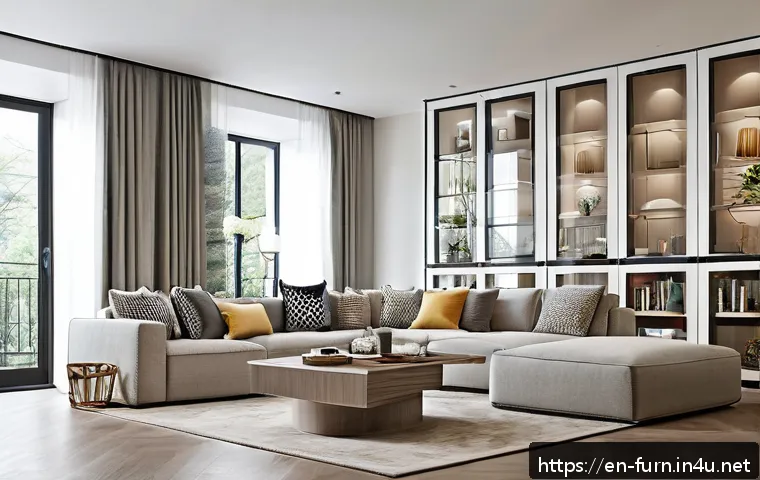
Whether you’re working with a cozy apartment or a spacious house, mastering your living room layout can transform your space into a welcoming haven. In this post, I’ll share practical tips and clever design hacks that helped me maximize every inch of my own living area without sacrificing style.
If you’ve been struggling to find the perfect arrangement or want to refresh your space with minimal effort, you’re in the right place. Let’s dive into expert strategies that make your living room both beautiful and practical.
Maximizing Space with Smart Furniture Choices
Choosing Multi-Functional Pieces
When living rooms double as workspaces or play areas, picking furniture that does double duty can be a game-changer. I found that a storage ottoman not only provides a comfy spot to rest my feet but also hides clutter like blankets and magazines.
Similarly, a sofa bed can be a lifesaver when guests pop over unexpectedly. The key is to look for pieces that offer hidden storage or flexible use, which instantly frees up floor space and keeps the room tidy without extra effort.
Scaling Furniture to Fit Your Room
One mistake I made early on was buying oversized furniture that dwarfed my modest living room. Now, I always measure my space carefully before purchasing anything.
For smaller rooms, slim-profile sofas or chairs with exposed legs create an airy feel, while bulky, overstuffed pieces tend to overwhelm the space. Also, modular sofas can be rearranged to fit different needs, which is perfect when you want to switch up the vibe or accommodate more people comfortably.
Using Furniture Placement to Define Zones
In open-plan layouts, furniture placement can subtly carve out distinct areas without walls. For example, placing the sofa with its back to the dining space visually separates the living area.
I like to use rugs and lighting to further emphasize these zones. This trick not only makes the room feel organized but also improves flow, so you don’t feel like you’re constantly stepping on someone’s toes.
Lighting Strategies to Enhance Ambiance and Functionality
Layering Light Sources
I learned quickly that relying on a single overhead light results in a flat and sometimes harsh atmosphere. Instead, layering different light sources—ambient, task, and accent lighting—creates a more inviting and flexible environment.
For example, a combination of recessed lights, floor lamps, and table lamps allows me to adjust brightness depending on the time of day or activity, whether I’m reading, entertaining, or watching TV.
Incorporating Natural Light
Taking advantage of natural light can instantly uplift your living room. I usually keep window treatments light and airy, using sheer curtains that let sunlight filter in while maintaining privacy.
Strategically placing mirrors opposite windows also helps bounce light around the room, making even small spaces feel larger and brighter. If your living room lacks natural light, opting for warm-toned bulbs can mimic sunlight and make the space feel cozy.
Smart Lighting Controls
Investing in smart bulbs and dimmers has been a game changer for me. It’s so convenient to control the mood with a smartphone or voice command without getting up.
Dimmers allow for subtle adjustments that suit any occasion, from movie nights to lively gatherings. Plus, smart lighting can be scheduled to turn on and off automatically, enhancing security and saving energy.
Optimizing Traffic Flow and Accessibility
Mapping Out Walkways
Creating clear pathways is essential for a living room that feels open and welcoming. I always ensure there’s at least 2 to 3 feet of space for walking between furniture pieces.
This avoids a cramped feeling and reduces the risk of stubbing toes or bumping into corners. In my experience, arranging seating in a way that naturally guides movement makes guests feel more comfortable and the room more functional.
Positioning for Accessibility
It’s easy to overlook accessibility when decorating, but I’ve found that placing frequently used items within easy reach dramatically improves daily convenience.
Side tables next to sofas or chairs hold remotes, drinks, and reading materials, so you’re not constantly getting up. Also, avoiding blocking doorways or windows with large furniture pieces keeps the space open and easy to navigate.
Flexible Layouts for Changing Needs
Life isn’t static, and neither should your living room layout be. I like to keep my arrangement flexible, using lightweight furniture that can be moved easily for different occasions.
For example, nesting tables or stackable stools provide extra seating or surface area when needed but don’t clutter the room otherwise. This adaptability helps keep the space functional without feeling permanent or restricted.
Balancing Color and Texture for a Cohesive Look
Choosing a Harmonious Color Palette
Selecting colors that complement each other rather than compete is crucial for a cohesive living room. I usually start with a neutral base—like soft grays or warm beiges—and add pops of color with cushions, throws, or artwork.
This approach keeps the space feeling calm and inviting while still allowing personality to shine through. It also makes swapping out accents easy when you want to refresh the look.
Mixing Textures for Visual Interest
Texture adds depth and warmth to any room. In my living room, I combine smooth leather sofas with plush velvet pillows and woven rugs to create layers of tactile appeal.
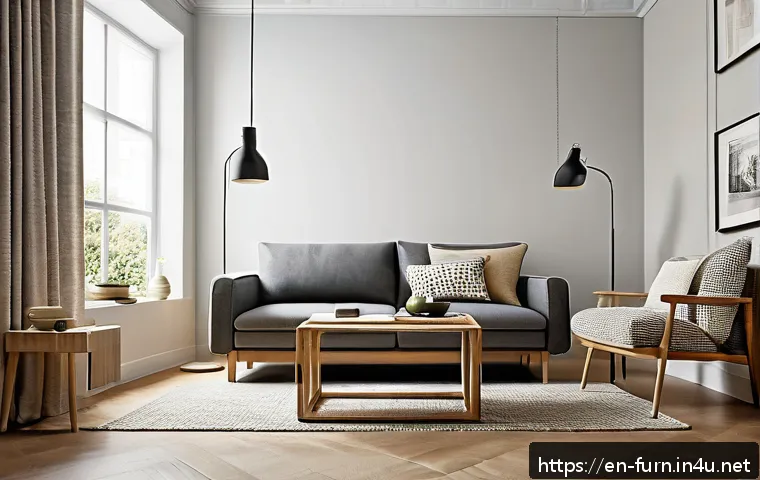
Even simple touches like knitted throws or wooden accents can make a big difference in how cozy and stylish the space feels. Don’t be afraid to experiment with different materials to find what resonates with your style.
Using Patterns Wisely
Patterns can energize a room but should be used thoughtfully to avoid visual chaos. I tend to pick one or two patterned pieces—like a rug or curtains—and keep the rest of the decor solid or subtly textured.
This strategy creates focal points without overwhelming the senses. If you’re unsure, sticking to geometric or nature-inspired prints often blends well with various styles.
Incorporating Personal Touches for a Welcoming Atmosphere
Displaying Meaningful Decor
A living room feels truly inviting when it reflects your personality. I like to showcase items that tell a story—family photos, travel souvenirs, or artwork from local artists.
These pieces spark conversations and add character to the space. Rotating decor seasonally or whenever I feel like a change keeps things fresh without a full redesign.
Adding Greenery and Natural Elements
Plants have been a staple in my living room for years. Not only do they improve air quality, but they also bring life and color to the room. I recommend starting with low-maintenance varieties like snake plants or pothos if you don’t have a green thumb.
Grouping plants of various heights and textures adds dimension and a soothing vibe.
Creating Cozy Nooks
Carving out a small nook with a comfy chair and a reading lamp can transform part of your living room into a personal retreat. I love having a spot where I can unwind with a book or enjoy a cup of coffee.
Adding a soft throw and a side table for essentials completes the look and makes the nook feel intentional rather than an afterthought.
Practical Storage Solutions to Reduce Clutter
Integrating Built-In Storage
Built-in shelves or cabinets maximize vertical space and keep belongings organized without encroaching on the floor area. In my experience, customizing these units to fit the room’s dimensions and style ensures they blend seamlessly rather than standing out.
Plus, closed cabinets help hide clutter, while open shelving lets you display decorative items.
Using Stylish Storage Containers
When open storage is necessary, choosing aesthetically pleasing baskets, boxes, or bins can maintain a clean look. I personally use woven baskets for blankets and magazines, which add texture and warmth.
Labeling containers also makes it easier to find things and maintain order.
Decluttering Regularly
No storage hack can replace the benefits of regular decluttering. I try to set aside time every few months to reassess what’s essential and what can be donated or discarded.
This habit keeps the living room feeling spacious and fresh, preventing accumulation of unnecessary items that weigh down the space.
| Furniture Type | Benefits | Ideal For | Example |
|---|---|---|---|
| Storage Ottoman | Hidden storage, extra seating, footrest | Small to medium rooms | Leather ottoman with lift-up lid |
| Modular Sofa | Flexible arrangement, adaptable seating | Open-plan spaces, families | Sectional sofa with detachable pieces |
| Sofa Bed | Guest accommodation, space-saving | Small apartments, multipurpose rooms | Fold-out sleeper sofa |
| Nesting Tables | Extra surface area, space-efficient | Small living rooms, entertaining | Set of 3 wooden nesting tables |
| Built-In Shelves | Maximizes vertical space, organized storage | Rooms with unused wall space | Custom floating shelves |
Conclusion
Creating a living room that is both functional and inviting is all about smart choices—from furniture that adapts to your lifestyle to thoughtful lighting and storage solutions. By balancing style with practicality, you can transform your space into a comfortable haven that suits your daily needs. Remember, flexibility and personalization make all the difference in designing a room you truly enjoy.
Useful Tips to Remember
1. Measure your space carefully before purchasing furniture to ensure a perfect fit without overcrowding.
2. Layer different types of lighting to create ambiance and accommodate various activities.
3. Use furniture placement strategically to define zones and improve room flow.
4. Incorporate personal decor and greenery to add warmth and character to your living room.
5. Regularly declutter and utilize stylish storage options to maintain an organized, spacious environment.
Key Takeaways
Maximizing your living room’s potential involves choosing multi-functional furniture that saves space and adds convenience. Proper lighting enhances mood and usability, while clear walkways and accessible layouts improve comfort and safety. Balancing colors and textures keeps the space visually appealing, and adding personal touches ensures the room feels uniquely yours. Lastly, consistent decluttering and smart storage solutions are essential for maintaining a tidy, welcoming atmosphere.
Frequently Asked Questions (FAQ) 📖
Q: How can I make a small living room feel more spacious without losing comfort?
A: One of the best tricks I’ve found is to choose furniture that fits the scale of your room—think sleek, low-profile sofas and multipurpose pieces like ottomans with storage.
Keeping a light, neutral color palette helps open up the space visually, while mirrors placed strategically can reflect light and create the illusion of depth.
Also, avoid clutter by limiting decorative items and using vertical storage options like tall shelves. When I applied these tips, my cozy apartment suddenly felt airy and inviting without feeling empty or uncomfortable.
Q: What’s the easiest way to refresh my living room layout without buying new furniture?
A: You’d be surprised how much rearranging existing furniture can do! Start by identifying the focal point—usually a TV, fireplace, or window—and arrange seating to face it.
Try floating your sofa away from the walls if space allows; this creates better flow and makes the room feel more open. Adding or repositioning rugs and lighting can also redefine zones within the space.
I once switched my couch and armchair positions and added a floor lamp in the corner, and it completely transformed the vibe without costing a dime.
Q: How do I balance style and functionality in a living room used for both work and relaxation?
A: Creating separate zones is key. Dedicate a corner or wall for your workspace, ideally near a window for natural light, and choose a desk that complements your living room style.
Use stylish storage solutions like baskets or floating shelves to keep work items organized and out of sight when not in use. For relaxation, invest in comfortable seating and soft textiles like throws and cushions.
Personally, having a clear boundary between work and chill areas helped me mentally switch modes, making both activities more enjoyable and productive.