As more homeowners seek to create inviting and stylish dining spaces, choosing the right centerpiece has become a hot topic in interior design circles.
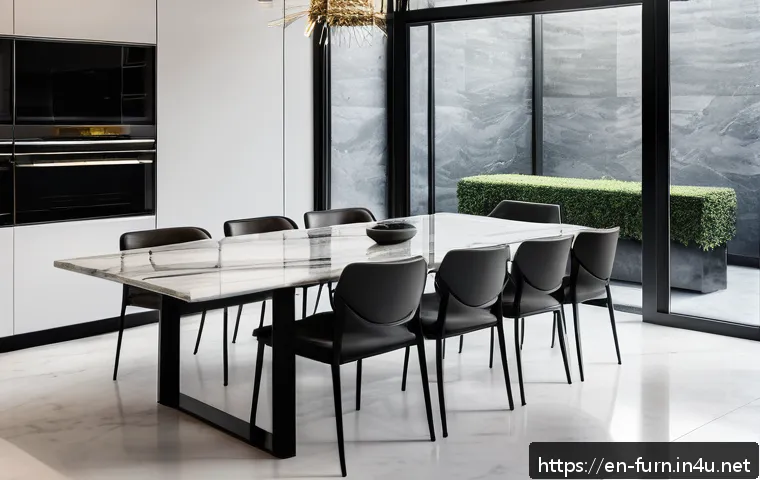
With the recent surge in home renovation trends, the debate between wood and marble dining tables stands out for its blend of timeless elegance and practical functionality.
Whether you’re aiming for warmth and rustic charm or sleek sophistication, understanding the unique qualities of these materials can transform your dining area into a true focal point.
In this post, we’ll dive into the key differences and help you decide which option best suits your lifestyle and aesthetic. Stick around—you might just discover the perfect table that makes every meal feel special.
Warmth and Character: The Natural Appeal of Wood Tables
Distinctive Grain and Texture That Tells a Story
One of the most enchanting qualities of wood tables is the unique grain pattern each piece carries. Unlike manufactured materials, wood’s natural variations make every table a one-of-a-kind work of art.
When I first brought home a solid oak dining table, I was captivated by how the knots, swirls, and color shifts added a rich depth to the surface. It’s like the table has a personality, evolving over time with dings and scratches that only enhance its charm.
This tactile, organic feel creates an inviting atmosphere that’s hard to replicate with synthetic alternatives.
Timeless Versatility in Design Styles
Wood tables effortlessly adapt to a wide array of interior design styles, from rustic farmhouse to modern minimalism. I’ve noticed that even within a contemporary space, a wooden table can soften the overall look, making the dining area feel more approachable and cozy.
Plus, wood’s warmth works beautifully alongside textiles like linen napkins or woven placemats, allowing you to switch up your décor seasonally without clashing.
Its ability to balance elegance and casual comfort makes it a favorite for many homeowners who want a space that feels lived-in yet polished.
Maintenance and Longevity: What to Expect
While wood tables bring undeniable beauty, they do require a bit more TLC than other materials. Over the years, I’ve learned that regular oiling or waxing keeps the surface nourished and prevents it from drying out or cracking.
Spills need to be wiped promptly to avoid stains, but minor scratches can often be buffed out or even embraced as part of the table’s character. With proper care, a wooden dining table can last decades, becoming a cherished heirloom passed down through generations.
Effortless Elegance: Why Marble Makes a Statement
Luxurious Aesthetic That Elevates Any Room
Marble tables have a way of instantly raising the sophistication level of a dining space. The smooth, cool surface combined with natural veining patterns creates a visual drama that’s both timeless and striking.
From my personal experience, a marble table acts as a centerpiece that doesn’t need much else to impress. It’s particularly stunning in open-concept homes where the dining area is visible from multiple angles, serving as a sculptural element that anchors the room’s design.
Practical Considerations: Durability and Care
Marble is undeniably durable but does come with some caveats. It’s prone to etching and staining from acidic foods like wine or citrus, so using coasters and placemats is a must if you want to maintain its pristine appearance.
I’ve found that sealing the surface annually helps reduce absorption and keeps the marble looking fresh. Although it’s harder to repair than wood, its resistance to heat and scratches makes it a strong contender for households that value a sleek, easy-to-clean surface.
Styling Flexibility and Color Options
Beyond classic white and gray tones, marble is available in a spectrum of colors, including deep greens, blacks, and even blush hues. This variety allows you to tailor your dining table to fit specific color palettes or moods.
From my own decorating projects, selecting a darker marble with bold veining adds drama, while lighter stones bring an airy, refined vibe. Pairing marble with metal or wood legs can further customize the look, balancing cold elegance with warmth or industrial chic.
Comparing Practicality and Style: Which Table Suits Your Life?
Assessing Household Needs and Lifestyle
When deciding between wood and marble, it’s crucial to consider how your household uses the dining table. Families with young kids or frequent dinner parties might lean toward wood for its forgiving nature and ease of repair.
Conversely, those who entertain less often but want a strong visual impact may prefer marble’s polished presence. Personally, I’ve seen how wood encourages relaxed meals and casual gatherings, while marble elevates formal dinners and special occasions.
Budget and Long-Term Investment
Wood tables can vary widely in price depending on the species and craftsmanship, but generally, they offer excellent value for longevity and character.
Marble tables tend to be pricier upfront, especially with exotic stones or custom designs, but their timeless appeal can add significant resale value to your home.
From experience, investing in quality materials and finishes pays off, as both wood and marble tables can serve as enduring centerpieces for years to come.
Environmental Impact and Sustainability
Sustainability is increasingly important when choosing home furnishings. Wood tables sourced from responsibly managed forests or reclaimed materials support eco-friendly practices and reduce carbon footprint.
Marble extraction, on the other hand, involves quarrying that can be energy-intensive and less sustainable. However, marble’s durability means it rarely needs replacement, which balances its environmental cost over time.
For me, knowing the origin and production ethics of the table’s materials adds peace of mind to the purchase.
| Aspect | Wood Table | Marble Table |
|---|---|---|
| Visual Appeal | Warm, rustic, unique grain patterns | Sleek, luxurious, natural veining |
| Durability | Scratch-resistant with care, can be refinished | Heat-resistant, prone to staining and etching |
| Maintenance | Requires oiling/waxing, prompt spill cleanup | Needs sealing, cautious with acidic substances |
| Weight | Generally lighter, easier to move | Very heavy, often permanent placement |
| Cost Range | Moderate to high, depending on wood type | High to very high, depending on marble quality |
| Environmental Impact | Can be sustainable if sourced responsibly | Higher energy use, but long-lasting |
Customizing Your Table: Design Options and Finishes
Exploring Wood Species and Stains
Choosing the right wood species can dramatically affect your table’s look and feel. Hardwoods like maple, walnut, and cherry offer durability and rich tones, while softer woods like pine bring a lighter, more casual vibe.
When I helped a friend select a wood table, we spent hours testing different stains and finishes to match her kitchen’s color scheme. Finishing options like matte, satin, or glossy also influence how the wood reflects light and interacts with other décor elements.
Marble Edge Profiles and Base Designs
Marble tables offer a variety of edge profiles—from sharp, clean lines to more ornate beveled or bullnose edges—that can tailor the table’s style from modern to classic.
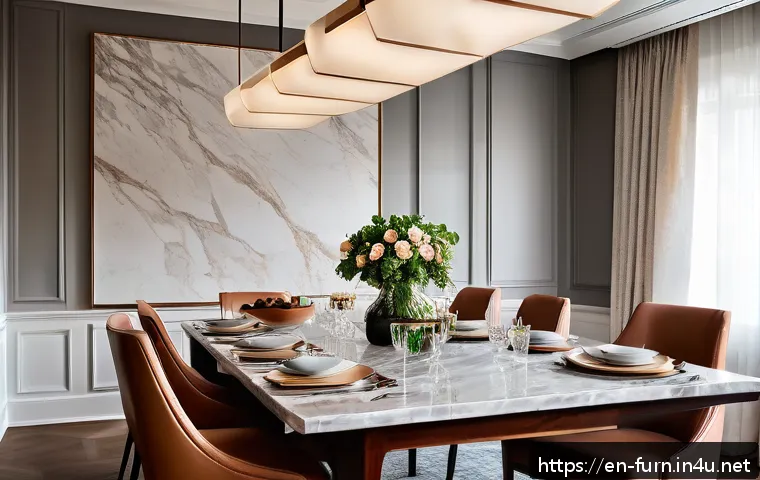
The choice of base material is equally important; metal bases lend an industrial feel, while wooden legs can warm up the marble’s cool surface. In my own home, switching from a pedestal base to sleek metal legs completely transformed the table’s vibe, making it feel lighter and more contemporary.
Mixing Materials for a Unique Statement
Combining wood and marble in your dining table design can offer the best of both worlds. For example, a marble tabletop paired with a wooden base creates a balanced contrast of textures and temperatures.
I’ve seen this approach work wonders in spaces that want both elegance and comfort. This hybrid style lets you enjoy marble’s sophistication while grounding it with wood’s inviting warmth, making your dining area truly unique.
Practical Tips for Care and Longevity
Daily Cleaning and Preventative Measures
Maintaining either wood or marble tables starts with simple daily habits. Using coasters, placemats, and trivets protects surfaces from heat, moisture, and scratches.
I always recommend wiping down tables with a soft cloth and mild cleaner suited to the material—avoiding harsh chemicals that can damage finishes. For wood, a damp cloth followed by a dry one keeps the surface healthy, while marble benefits from gentle, pH-neutral cleaners to preserve its shine.
Handling Damage and Repairs
Accidents happen, and knowing how to handle scratches, stains, or chips can extend your table’s life. For wood, light scratches can often be minimized with sanding and refinishing, which I’ve done a few times with great results.
Marble repairs are trickier—small chips might require professional restoration, but many stains can be treated with poultices. Being proactive about immediate care makes a big difference in avoiding costly repairs later.
Seasonal Care Routines
Changing seasons often bring shifts in humidity that affect wood tables more than marble. In dry months, wood can shrink or crack if not properly moisturized, so I schedule oiling treatments twice a year.
Marble is less sensitive but still benefits from regular sealing to combat moisture absorption. Over time, these small seasonal care routines help maintain your table’s beauty and functionality, ensuring it remains a centerpiece you love year-round.
Creating a Cohesive Dining Space Around Your Table
Choosing Chairs and Accessories to Complement Your Table
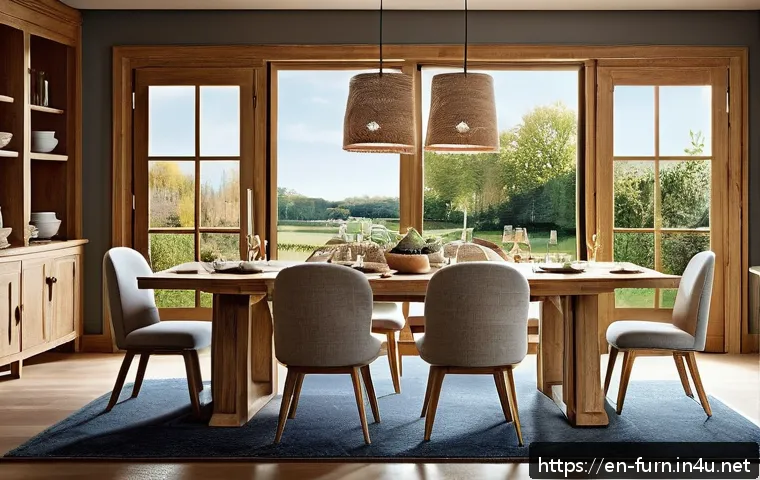
The right chairs and accessories can make your dining table shine even more. For wood tables, I’ve found that upholstered chairs add softness and comfort, while metal or leather options can create an edgy contrast.
Marble tables pair beautifully with minimalist chairs that don’t compete visually but enhance the table’s sleekness. Adding centerpiece elements like candles, plants, or a simple runner can further elevate the space without overwhelming the table’s natural beauty.
Lighting and Ambiance Considerations
Lighting plays a crucial role in highlighting your dining table’s features. Warm-toned pendant lights can amplify the cozy vibe of a wood table, casting inviting shadows that enhance its texture.
For marble, cooler or neutral lighting emphasizes the stone’s glossy surface and intricate veining, creating a sophisticated atmosphere. In my experience, dimmable lighting gives flexibility to set different moods, from lively family dinners to intimate gatherings.
Integrating Your Table Into the Room’s Overall Style
Finally, it’s important to think about how your dining table fits into the broader design of your home. A wood table might be the perfect bridge between a rustic kitchen and modern living room, adding warmth and continuity.
Marble tables often serve as bold focal points in minimalist or high-end interiors, demanding complementary décor that’s understated yet elegant. By considering scale, color harmony, and texture, you can create a dining space that feels intentional and inviting.
In Conclusion
Choosing between wood and marble tables ultimately depends on your lifestyle, aesthetic preferences, and maintenance willingness. Both materials offer unique beauty and functionality that can elevate your dining space. Whether you prefer the warmth and character of wood or the sleek elegance of marble, investing in quality and care ensures your table remains a beloved centerpiece for years to come.
Useful Information to Keep in Mind
1. Regular maintenance is key: Wood tables benefit from periodic oiling, while marble needs annual sealing to preserve their surfaces.
2. Consider your household’s daily use: Wood is more forgiving for busy families, whereas marble suits more formal or low-traffic settings.
3. Mix and match materials: Combining wood and marble can create a unique, balanced look that adds both warmth and sophistication.
4. Pay attention to lighting: Warm lighting enhances wood’s cozy feel, while cooler tones highlight marble’s polished elegance.
5. Sustainability matters: Choose responsibly sourced wood or durable marble to minimize environmental impact over time.
Key Takeaways for Your Table Choice
Selecting the right dining table involves balancing style, durability, and care requirements. Wood tables offer timeless charm and easier repairs but need more regular upkeep. Marble tables provide a luxurious, durable surface but demand cautious maintenance to avoid stains and etching. Understanding your lifestyle, budget, and environmental values will help you make an informed decision that brings lasting joy and functionality to your home.
Frequently Asked Questions (FAQ) 📖
Q: uestionsQ1: Which is more durable for everyday use, wood or marble dining tables?
A: Both wood and marble have their strengths when it comes to durability, but they perform differently under daily wear. Wood tables, especially those made from hardwoods like oak or walnut, tend to handle bumps and scratches better because minor damages can be sanded out or refinished.
Marble, while incredibly strong and heat-resistant, is more prone to chipping and staining if not properly sealed. If your household includes kids or frequent lively gatherings, wood might offer more forgiving resilience, whereas marble demands a bit more care to keep its pristine look.
Q: How do wood and marble dining tables compare in terms of maintenance?
A: Maintenance varies significantly between these two materials. Wood requires regular polishing and occasional refinishing to maintain its warmth and finish, but spills are generally easier to wipe away.
Marble, on the other hand, needs prompt cleaning to avoid stains from acidic substances like wine or citrus, and periodic sealing is necessary to protect its surface.
From my experience, wood feels more user-friendly for those who prefer low-maintenance furniture, while marble rewards owners who don’t mind dedicating time to upkeep for that luxurious shine.
Q: Which dining table material better suits different interior design styles?
A: Wood and marble each bring distinct vibes that can elevate your dining space differently. Wood’s natural grains and textures complement rustic, farmhouse, and traditional interiors beautifully, adding warmth and a cozy atmosphere.
Marble, with its smooth surface and elegant veining, is perfect for modern, minimalist, or contemporary styles that lean towards sleek sophistication.
Personally, I found that blending a marble table with subtle wooden accents can create a balanced and inviting look, but choosing based on your existing décor and personal taste will always be the best route.