In today’s competitive dining scene, creating the right atmosphere is more important than ever. With diners increasingly seeking memorable experiences, lighting plays a crucial role in setting the perfect mood.
Whether you’re aiming for cozy intimacy or vibrant energy, the right lighting design can transform your restaurant’s ambiance and boost customer satisfaction.
I’ve noticed firsthand how subtle changes in lighting can dramatically enhance the dining experience. Let’s dive into practical tips that will help you elevate your space and keep guests coming back for more.
Crafting Ambiance Through Layered Lighting Techniques
Understanding the Power of Layered Light
Layered lighting is a game-changer in restaurant design because it combines multiple light sources to create depth and dimension. Instead of relying on a single overhead fixture, integrating ambient, task, and accent lighting allows you to tailor the mood throughout the space.
For instance, ambient lighting sets the overall tone with soft, warm hues, while task lighting illuminates specific areas like the bar or kitchen pass-through.
Accent lighting then highlights architectural features or artwork, adding personality and focus. When I experimented with layering lights at a bistro I helped consult, the atmosphere instantly felt more dynamic and inviting, encouraging guests to linger longer.
Balancing Brightness for Comfort and Visual Appeal
One of the trickiest parts of layered lighting is getting the brightness just right. Too dim, and diners might struggle to see their food; too bright, and the environment loses its cozy charm.
I found that using dimmable fixtures makes a huge difference, allowing staff to adjust lighting levels depending on the time of day or type of service.
For example, brighter lighting during lunch hours can energize the space, while softer tones during dinner foster intimacy. It’s also essential to consider the color temperature — warmer whites (2700K–3000K) tend to be more flattering and relaxing, whereas cooler whites can feel sterile.
Achieving this balance requires some trial and error but pays off with happier, more comfortable customers.
Practical Layered Lighting Setup
Here’s a breakdown of a typical layered lighting design you can adopt, including fixture types and their ideal roles:
| Layer | Purpose | Fixture Type | Recommended Color Temperature | Example Use |
|---|---|---|---|---|
| Ambient | General illumination, sets mood | Recessed lights, chandeliers, pendant lamps | 2700K–3000K (warm white) | Soft ceiling lights throughout dining area |
| Task | Focused light for specific activities | Under-cabinet lights, adjustable sconces, track lighting | 3000K–3500K (neutral white) | Illuminating bar counter, host stand, kitchen pass |
| Accent | Highlight decor and architectural features | Spotlights, LED strips, wall washers | 2700K–3000K (warm white) | Spotlight on artwork, textured walls, plants |
Using Color Temperature to Influence Guest Perception
Warm vs. Cool Lighting Effects
Color temperature isn’t just a technical detail; it profoundly shapes how diners feel. Warmer lights, with their cozy amber glow, make people feel relaxed and comfortable — perfect for intimate dinners or romantic settings.
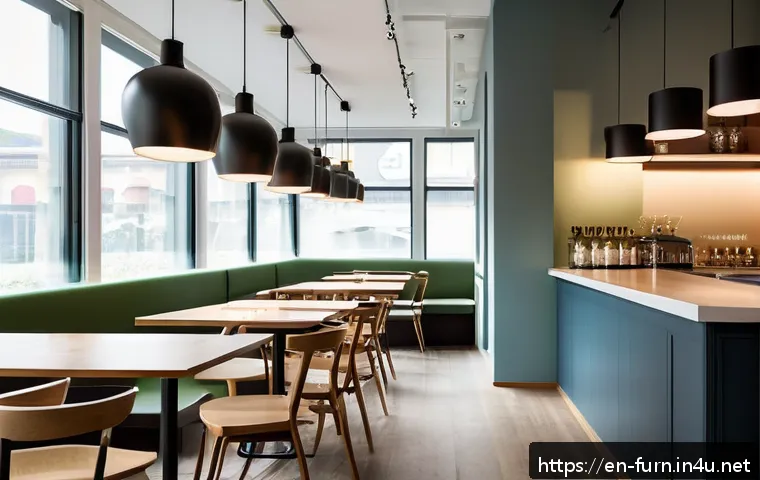
Conversely, cooler lighting can energize a space, making it feel modern and clean, which suits fast-casual or trendy eateries. I recall visiting a modern café that used cooler tones combined with natural light during the day, creating an upbeat vibe that kept the energy high.
The key is matching the lighting temperature to your brand’s personality and the type of experience you want to offer.
Adjusting Lighting Throughout the Day
Lighting needs evolve as the day progresses, and smart restaurants adapt accordingly. Morning and lunchtime might benefit from brighter, cooler light to keep staff and guests alert, while evenings call for dimmer, warmer lighting that encourages relaxation.
Installing programmable lighting controls or smart bulbs lets you automate these shifts without extra hassle. From personal experience, I’ve seen how this flexibility can transform a space’s feel — a restaurant that was once harsh and uninviting at night became warm and intimate, doubling its dinner reservations within a few months.
Tips for Selecting the Right Bulbs and Fixtures
When shopping for bulbs and fixtures, don’t just focus on wattage or price. Look for bulbs with a high CRI (Color Rendering Index), ideally above 80, so food colors appear vibrant and natural.
LED bulbs are energy-efficient and come in a variety of color temperatures, making them a popular choice. Fixtures with adjustable heads or dimmable capabilities offer the most control.
Personally, I always recommend testing samples in your actual space because even the same bulb can look very different depending on paint colors, furnishings, and natural light.
Highlighting Key Areas with Focused Illumination
Creating Inviting Entryways
Your restaurant’s entrance is the first impression guests get, so lighting it well is crucial. A well-lit doorway with warm accent lights can feel welcoming and safe, encouraging people to step inside.
I once advised a friend’s eatery to install wall sconces and pendant lighting near the entrance, and the difference was immediate — foot traffic increased as passersby felt more drawn in.
Consider also using motion sensors or timers to keep the entrance lit during evening hours without wasting energy.
Enhancing the Dining Table Experience
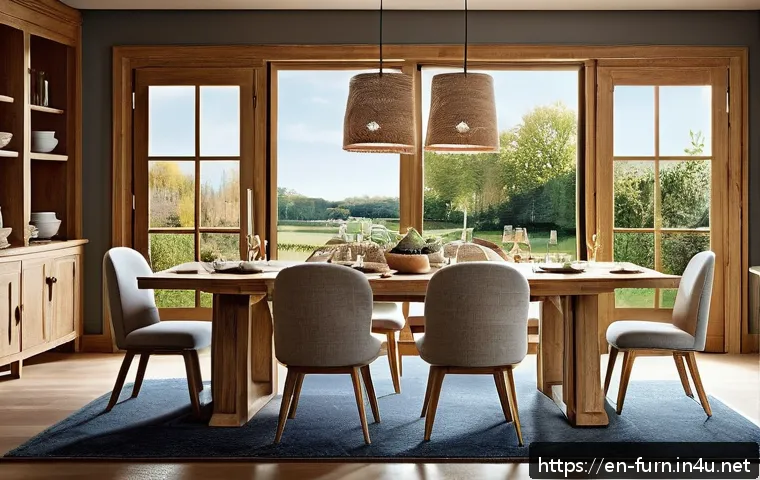
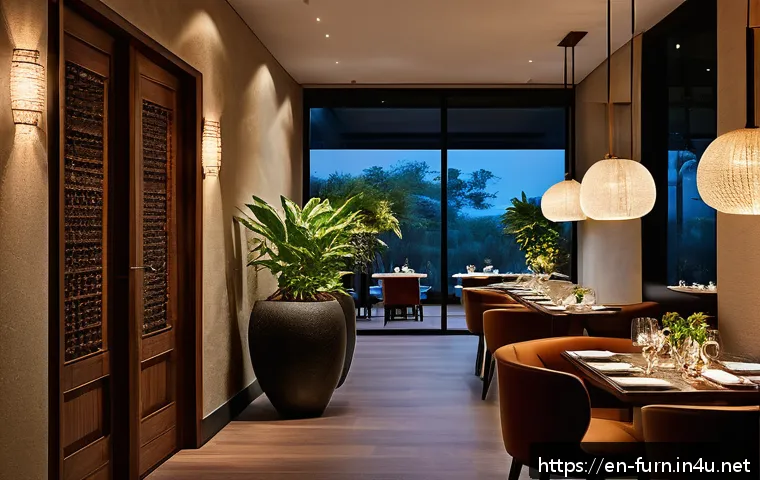
Focused lighting over dining tables can elevate the meal visually and emotionally. Pendant lamps or chandeliers positioned correctly create a cozy “bubble” of light that centers attention on the food and conversation.
However, avoid harsh direct light that casts unflattering shadows or causes glare. In one restaurant I visited, low-hanging fixtures with frosted shades softened the light perfectly, making every dish look like a masterpiece.
Adjustable height fixtures offer flexibility to adapt lighting for different table sizes or events.
Illuminating Bars and Service Areas
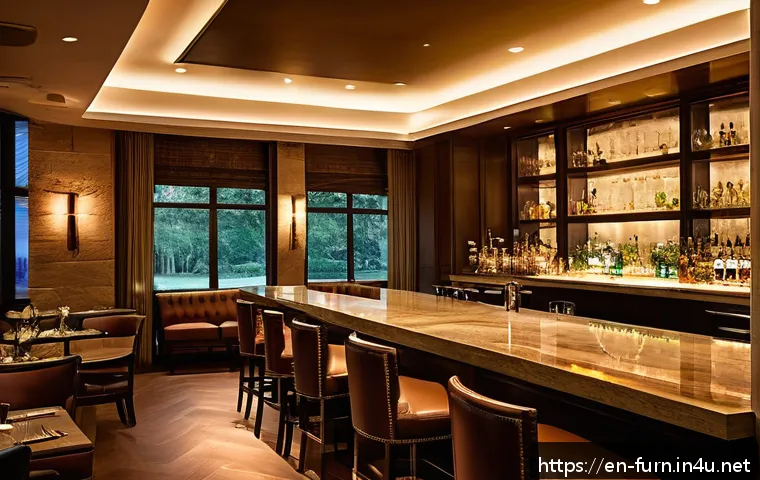
Bars and service counters are natural focal points and benefit from brighter, task-oriented lighting to aid staff and create an energetic vibe. Track lighting or LED strips under shelves not only improve visibility but also highlight bottles and glassware, adding a layer of sophistication.
From my experience, layering task lighting with subtle accent lights in these areas balances function with style, keeping the bar lively without overpowering the rest of the space.
Incorporating Natural Light to Complement Artificial Sources
Maximizing Daylight Benefits
Natural light has a unique quality that artificial lighting can never fully replicate. It makes spaces feel more open and fresh, which diners subconsciously appreciate.
If your restaurant has large windows or skylights, position seating to take advantage of daylight during operating hours. I’ve noticed that customers tend to stay longer and enjoy their meals more when natural light floods the space.
Just be mindful of glare or heat, which can be mitigated with sheer curtains or UV-filtering window films.
Balancing Natural and Artificial Lighting
As daylight fades, transitioning smoothly to artificial lighting is essential to maintain a pleasant atmosphere. Using layered lighting with dimmers can help bridge the gap without abrupt changes.
In practice, I’ve seen restaurants install sensors that adjust indoor lighting intensity as natural light levels drop, creating a seamless shift that guests barely notice but appreciate subconsciously.
This harmony keeps the environment comfortable and visually appealing at any time.
Design Strategies for Window Treatments
Window coverings play a critical role in controlling natural light. Sheer curtains allow soft light in while reducing harsh shadows, whereas heavier drapes can block out light entirely for nighttime ambiance.
I often recommend adjustable blinds or layered curtains so the staff can fine-tune light levels depending on weather, time, and mood. A well-designed window treatment also adds texture and style, contributing to the overall aesthetic.
Choosing Fixtures That Complement Your Brand Identity
Matching Lighting Style to Restaurant Concept
The style of your fixtures should reflect your restaurant’s personality. For example, a rustic farmhouse eatery might benefit from wrought iron chandeliers or Edison bulbs, while a sleek urban spot leans toward minimalist, geometric pendants.
When I helped redesign a seafood restaurant, selecting fixtures with a subtle nautical theme added charm without overwhelming the space. Think of lighting as an accessory that reinforces your story rather than just a utility.
Investing in Quality for Longevity and Impact
Quality lighting fixtures can be a bit pricier upfront, but the payoff is worth it. Durable materials, consistent light output, and ease of maintenance mean fewer replacements and happier customers.
I’ve experienced firsthand how cheaper fixtures often fail or flicker, disrupting the ambiance and annoying guests. Prioritizing craftsmanship and reputable brands ensures your lighting remains a strong asset for years.
Creative Fixture Placement Ideas
Beyond standard ceiling mounts, consider wall sconces, floor lamps, or even under-table lighting to add layers and interest. Creative placements can define zones within your restaurant, like cozy corners or lively communal tables.
In one trendy café, hidden LED strips beneath bar counters created an unexpected glow that guests loved. Don’t be afraid to experiment with unconventional ideas — lighting is as much about artistry as it is function.
In Conclusion
Layered lighting is an essential tool for creating a memorable dining experience. By thoughtfully combining ambient, task, and accent lights, you can craft a welcoming atmosphere that adapts throughout the day. The right balance and fixture choices not only enhance your restaurant’s aesthetics but also influence how guests feel and interact with the space. Ultimately, investing time in lighting design pays off through increased comfort, ambiance, and customer satisfaction.
Helpful Tips to Remember
1. Use dimmable lighting to adjust brightness levels based on different times and moods, ensuring comfort and flexibility.
2. Select bulbs with a high Color Rendering Index (CRI) to make food and decor appear vivid and natural.
3. Incorporate natural light where possible, but control glare and heat with appropriate window treatments.
4. Match lighting styles and fixtures to your restaurant’s brand identity to reinforce your unique atmosphere.
5. Prioritize quality fixtures for durability and consistent performance to maintain a polished look over time.
Key Takeaways
Effective restaurant lighting combines multiple layers to build depth and mood, enhancing guest experience. Balancing warm and cool tones, along with adjustable brightness, allows you to tailor the environment throughout the day. Thoughtful fixture selection and placement complement your brand and highlight important areas like entryways and dining tables. Integrating natural light and smart controls further elevates ambiance while maximizing energy efficiency. Ultimately, well-executed lighting design is a strategic investment that creates inviting spaces and encourages guests to stay longer.
Frequently Asked Questions (FAQ) 📖
Q: uestionsQ1: How does lighting influence the overall dining experience in a restaurant?
A: Lighting sets the tone for the entire meal. From my experience, warm, dim lighting creates a cozy and intimate environment that encourages guests to relax and savor their food, while brighter, dynamic lighting energizes the space, making it feel lively and inviting.
Subtle adjustments can highlight the décor and even affect how the food looks on the plate, which ultimately enhances customer satisfaction and encourages longer visits.
Q: What are some practical lighting tips for creating a welcoming atmosphere?
A: One effective approach is layering your lighting—combine ambient, task, and accent lights to add depth and flexibility. For example, use soft overhead lights for general illumination, pendant lamps over tables for focused lighting, and wall sconces or candles to add warmth and character.
Dimmers are also a game-changer; they let you adjust brightness throughout the day, matching the mood from lunch to dinner effortlessly.
Q: Can lighting really impact customer return rates?
A: Absolutely. I’ve seen firsthand that guests remember not just the food but the vibe of a place. Thoughtful lighting makes the dining experience more memorable and comfortable, which encourages repeat visits.
When customers feel good in your space, they’re more likely to share their experience and recommend your restaurant, boosting your reputation and ultimately your revenue.