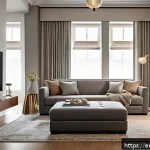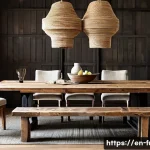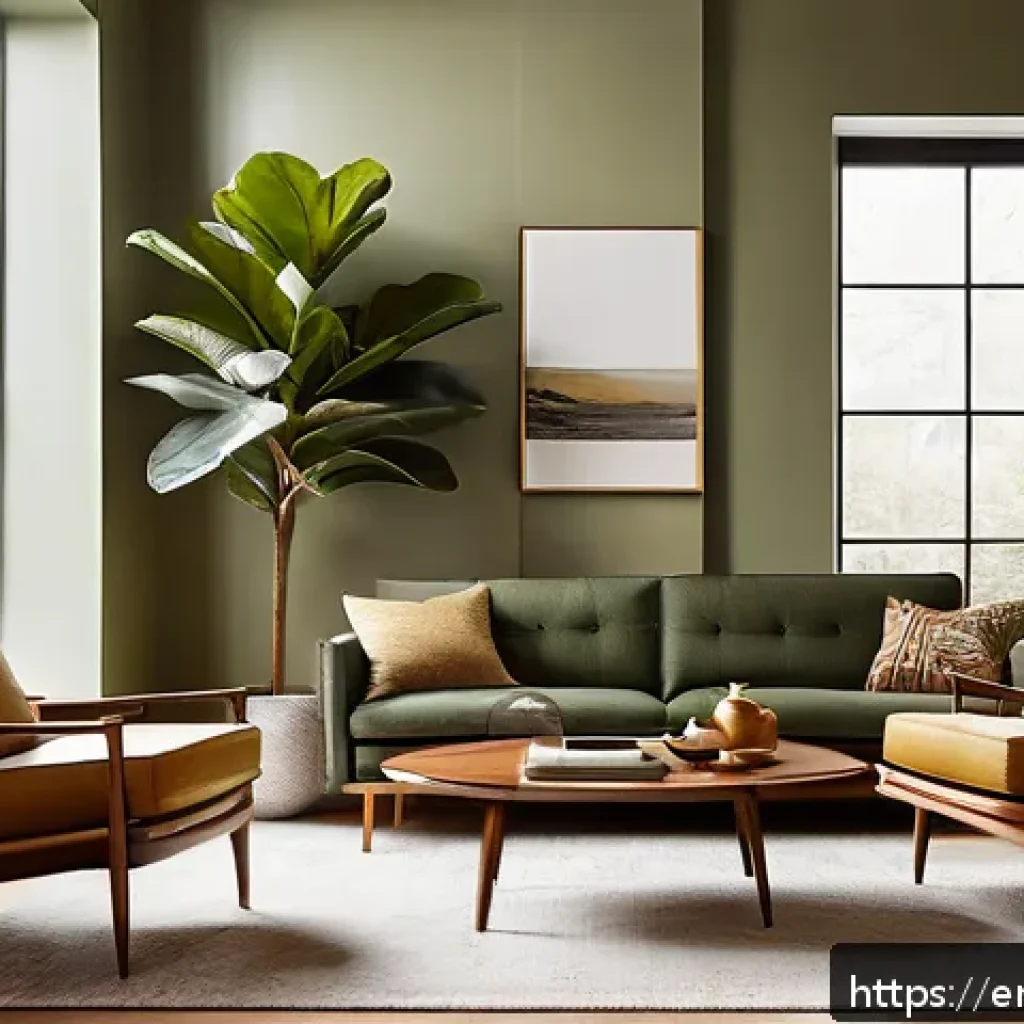
As modern interiors continue to embrace simplicity and functionality, mid-century modern furniture has surged back into the spotlight, redefining contemporary living spaces with its timeless appeal.
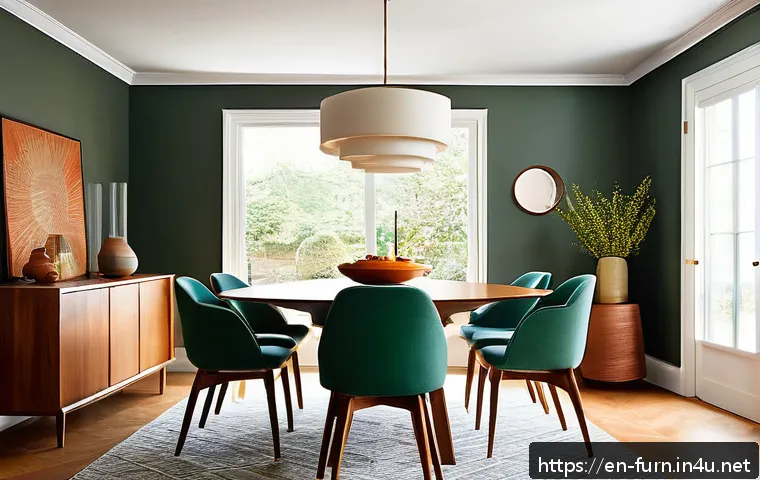
Lately, designers and homeowners alike are drawn to its clean lines and organic forms, making it a staple in both minimalist and eclectic décors. If you’ve ever wondered how a few carefully chosen pieces can transform your home’s vibe, you’re in the right place.
Let’s dive into how this iconic style continues to influence today’s design trends and why it remains a favorite among style enthusiasts worldwide. Stick around to discover practical tips and inspiring ideas that could elevate your space instantly.
The Art of Balancing Form and Function
Streamlined Shapes That Speak Volumes
Mid-century inspired furniture is all about clean, uncluttered lines that create a sense of calm and order. What I love about these pieces is how their simplicity doesn’t scream for attention but instead invites you to appreciate their subtle elegance.
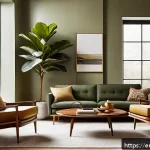
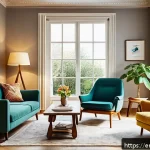
Think of a sleek teak coffee table or a chair with tapered legs that seem to float—these elements bring a sculptural quality to your room without overwhelming it.
When I first incorporated such furniture into my living space, the whole vibe shifted; it felt more intentional and curated, not just thrown together.
This style proves that sometimes less really is more, and the shapes themselves tell a story of craftsmanship and thoughtful design.
Marrying Practicality with Aesthetic Appeal
It’s not just about looks—mid-century style nails the balance between beauty and usability. Many pieces feature clever storage solutions hidden behind minimalist exteriors, which is a godsend for keeping spaces tidy.
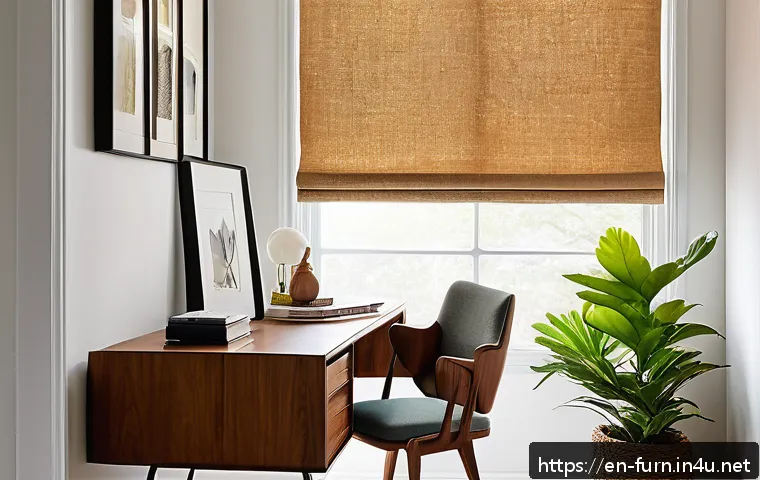
For example, sideboards with sliding doors or drawers that glide smoothly are perfect for stashing everyday clutter. Personally, I found this incredibly helpful when trying to maintain a clean desk area without sacrificing style.
The materials used, like warm wood tones combined with metal accents, add durability while keeping the furniture lightweight and easy to move. This blend of function and form makes the style especially appealing for modern living, where space and efficiency matter.
Choosing Pieces That Complement Your Lifestyle
When picking furniture, it’s crucial to consider how you live day-to-day. Mid-century inspired designs are versatile enough to fit various needs—whether you’re hosting friends or looking for a cozy nook to read.
I recommend starting with foundational pieces like a sofa or dining set that reflect your personal taste but remain timeless enough to adapt as trends evolve.
Don’t shy away from mixing textures and colors; for instance, pairing a leather lounge chair with a soft wool rug adds depth and warmth. The key is to select items that not only look good but also feel right for your home’s rhythm and activities.
Integrating Natural Materials and Textures
The Warmth of Wood and Organic Surfaces
One of the standout traits of this design approach is its celebration of natural materials. Wood, especially walnut or teak, is a favorite because it ages gracefully, developing a rich patina over time.
Having experienced this firsthand, I noticed how the natural grain patterns bring an earthy, grounding energy to any room. Beyond wood, incorporating stone or leather accents can enhance the tactile experience, making your space feel more inviting and authentic.
This emphasis on organic textures contrasts beautifully with more modern elements like glass or metal, creating a dynamic yet harmonious atmosphere.
Softening the Look with Fabrics and Colors
Mid-century inspired interiors often use color and fabric to soften the hard edges of furniture. I’ve found that adding cushions or throws in muted tones—think mustard yellow, olive green, or burnt orange—can instantly uplift the mood.
These colors reflect the era’s palette but also work well with contemporary décor schemes. Choosing textiles with natural fibers like linen or wool adds another layer of texture that’s pleasing to the touch and visually interesting.
Layering these elements thoughtfully prevents the space from feeling cold or sterile, instead making it cozy and lived-in.
Bringing the Outdoors In
Plants are a fantastic complement to the mid-century aesthetic. Their organic shapes echo the furniture’s curves and add life to the room. Personally, I like using sculptural succulents or tall fiddle leaf figs that make a statement without demanding too much care.
Placing greenery near windows or alongside wooden furniture creates a seamless connection between indoor and outdoor environments, which is something mid-century design champions.
This biophilic touch not only enhances air quality but also boosts mood, making your home a more pleasant retreat.
Styling Tips for a Cohesive Look
Mixing Vintage Finds with Modern Essentials
Combining original mid-century pieces with contemporary accents is a surefire way to avoid a dated feel. I’ve experimented by pairing a classic Eames chair with a modern side table, and the contrast brought fresh energy to the room.
It’s about creating dialogue between eras without one overpowering the other. Start with one or two statement items and then complement them with simple, modern décor.
This layering technique keeps your space dynamic and personal, reflecting both history and current trends.
Using Lighting to Highlight Design Features
Lighting plays a pivotal role in showcasing the beauty of mid-century style. Pendant lamps with geometric shapes or tripod floor lamps can act as functional art pieces.
From experience, I noticed that warm, diffused lighting enhances the wood tones and soft fabrics, making the space feel inviting during evenings. Adjustable lamps also provide flexibility, allowing you to spotlight key furniture or create cozy reading corners.
Thoughtful lighting choices turn your home into a gallery where every piece shines.
Incorporating Art and Accessories
To fully capture the mid-century vibe, consider adding artwork and accessories that echo the era’s spirit. Abstract prints, sunburst mirrors, and ceramic vases can all contribute subtle yet impactful touches.
I like to rotate pieces seasonally or as my mood shifts, which keeps the space feeling fresh without a full redesign. Accessories offer a playful way to inject personality and color, tying together the room’s overall aesthetic.
Understanding the Investment Value
Why Quality Matters in Longevity
One thing I quickly learned is that investing in well-crafted furniture pays off in the long run. Mid-century pieces often use solid wood and durable finishes that withstand years of use.
When I bought a vintage credenza, it was clear that its build quality surpassed many modern alternatives. This durability not only adds sentimental value but also means you avoid frequent replacements, which is both economical and environmentally friendly.
Spotting Authentic vs. Reproduction Pieces
Navigating the market for genuine mid-century furniture can be tricky. Authentic pieces have distinct markings or labels and a certain heft that mass-produced items lack.
I recommend researching brands like Herman Miller or Knoll, which are renowned for iconic designs. However, reproductions can be a smart choice if you want the look without the hefty price tag.
The key is to prioritize craftsmanship and materials over branding alone to ensure you’re getting a piece that lasts.
How to Care for Your Furniture
Maintaining these pieces is surprisingly straightforward but essential for preserving their charm. Regular dusting, avoiding direct sunlight, and occasional polishing can keep wood looking vibrant.
I also learned to be cautious with cleaning products—natural oils or specialized furniture waxes work best. Treating your furniture with care not only protects your investment but also lets you enjoy the unique character that develops with age.
Comparing Popular Mid-Century Inspired Furniture Types
| Furniture Type | Key Features | Ideal Room | Styling Tip |
|---|---|---|---|
| Lounge Chairs | Tapered legs, ergonomic design, often leather or fabric upholstery | Living room, reading nook | Pair with a soft throw and a floor lamp for a cozy corner |
| Credenzas | Low profile, sliding doors or drawers, wood finishes | Dining area, hallway, office | Use as a statement piece with decorative vases or art above |
| Coffee Tables | Simple silhouettes, mixed materials (wood and metal/glass) | Living room | Keep surface clutter-free and add a small plant or tray |
| Dining Sets | Streamlined chairs, wooden tables, sometimes with metal accents | Dining room, kitchen | Mix chair styles or add colorful cushions for contrast |
| Lighting | Geometric shapes, tripod bases, warm light bulbs | Any room | Highlight furniture features and create mood zones |
Creating a Personalized Mid-Century Inspired Space
Identifying Your Style Preferences
Before diving into purchases, it’s helpful to reflect on what aspects of mid-century design resonate with you. Are you drawn more to the minimalism, the organic shapes, or the nostalgic color schemes?
I found that browsing design magazines and visiting vintage shops helped clarify my preferences. Knowing this makes it easier to build a cohesive look rather than collecting random pieces.
Planning Your Layout for Maximum Impact
Space planning is critical when working with mid-century inspired furniture. Its clean lines allow for flexible arrangements, but you want to avoid overcrowding.
In my experience, leaving breathing room around each piece lets the design shine and maintains flow. Don’t hesitate to experiment with angles or groupings—sometimes an unexpected layout can make the room feel more inviting and dynamic.
Mixing Personal Memorabilia with Design
What truly makes a space yours is the integration of personal touches. Vintage furniture paired with family photos, travel souvenirs, or handmade art creates a narrative unique to you.
I enjoy blending these elements because it keeps the space from feeling like a showroom and instead makes it a warm, lived-in home. Remember, mid-century style is a foundation—your personality is the finishing touch.
Conclusion
Balancing form and function in mid-century inspired design creates spaces that are both beautiful and practical. Embracing natural materials, thoughtful layouts, and personal touches transforms any room into a welcoming retreat. By choosing pieces that reflect your lifestyle and combining vintage charm with modern elements, you can craft a timeless environment that feels uniquely yours.
Helpful Tips to Remember
1. Start with foundational furniture pieces that suit your daily routines and personal style for lasting satisfaction.
2. Mix textures and colors thoughtfully to add warmth and depth without overwhelming the space.
3. Use lighting strategically to highlight key design features and create cozy, inviting zones.
4. Incorporate natural elements like plants and wood to bring life and authenticity into your home.
5. Invest in quality pieces when possible, and maintain them properly to preserve their beauty and value over time.
Key Takeaways
Mid-century inspired furniture offers a perfect blend of simplicity and functionality, making it ideal for modern living. Prioritize craftsmanship and authenticity when selecting pieces to ensure durability and style longevity. Thoughtful arrangement and accessorizing help maintain a cohesive and personal space, while natural materials and lighting enhance comfort and atmosphere. Remember, your personality is the final touch that truly brings mid-century design to life in your home.
Frequently Asked Questions (FAQ) 📖
Q: What makes mid-century modern furniture so popular in contemporary interior design?
A: Mid-century modern furniture stands out because of its timeless simplicity and functionality. Its clean lines, organic curves, and minimal ornamentation allow it to seamlessly blend with various styles, from minimalist to eclectic.
Personally, I’ve noticed that these pieces don’t just fill a room—they create a sense of openness and calm. This versatility, combined with durable materials like teak and walnut, makes it a go-to choice for both designers and homeowners aiming for a stylish yet practical space.
Q: How can I incorporate mid-century modern pieces into my existing home decor without a full makeover?
A: You don’t need to overhaul your entire home to enjoy the charm of mid-century modern design. Start small by adding statement pieces like a classic Eames lounge chair, a sleek wooden coffee table, or a geometric-patterned rug.
I’ve found that pairing these with neutral walls and modern lighting instantly updates a room. Mixing these iconic items with your current décor creates a curated, lived-in feel rather than a showroom look, which makes your space feel both fresh and personal.
Q: Are mid-century modern furniture pieces practical for everyday use, especially in busy households?
A: Absolutely. Many mid-century modern designs were created with daily living in mind, prioritizing comfort and durability. For example, chairs and sofas often feature ergonomic shapes that support long periods of sitting.
In my experience, the solid wood frames and quality upholstery hold up well over time, even with kids or pets around. Of course, it’s smart to pick fabrics and finishes that suit your lifestyle, but overall, these pieces balance style and function beautifully, making them a smart investment for everyday living.