
A hotel-style bed starts with a supportive mattress and compatible base, then gains its polished comfort from well-chosen pillows, a duvet, and breathable layers.
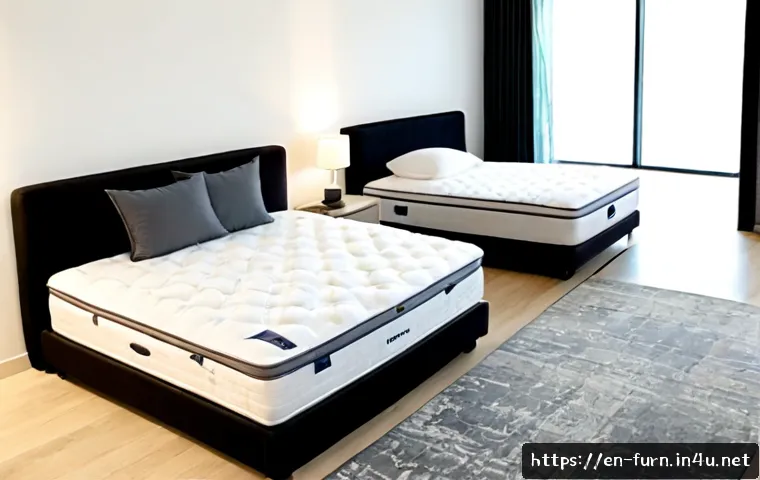
Spend first on sleep support, second on pillows and duvet warmth, and last on decorative linens and styling. The best mattress feel is personal, since sleeping position, body size, temperature preference, and support needs all matter.
A higher price can add useful options such as delivery, a sleep trial, warranty coverage, or setup service, but it does not automatically create better sleep.
Compare the full purchase conditions before choosing a mattress, adjustable base, bed frame, or bedding bundle. A room that feels calm, balanced, and easy to maintain is usually more convincing than one filled with expensive-looking extras.
At a Glance
- Start with the mattress and support
- Build comfort in layers: pillows, a duvet insert, sheets, and a topper can refine the feel without relying on mattress thickness alone.
- Verify every detail before ordering: mattress dimensions, frame requirements, sleep trials, delivery charges, and warranty terms can vary.
| Purchase Area | Main Options | What to Compare | Typical Cost Tier | Best Fit |
|---|---|---|---|---|
| Mattress | Hybrid, innerspring, memory foam, latex | Feel, pressure relief, temperature, support, sleep trial | Core investment | Anyone replacing the main sleep surface |
| Frame or Base | Platform frame, foundation, adjustable base | Compatibility, dimensions, weight limits, setup | Moderate to premium | Shoppers needing support or added functionality |
| Sheets | Percale, sateen | Fiber, weave, finish, breathability, care | Entry to premium | People refining texture and temperature |
| Duvet and Pillows | Down, down alternative, varied lofts | Warmth, fill quality, shell fabric, care needs | Moderate to premium | Those seeking a plush layered look |
What Actually Creates a Hotel-Quality Bed Feel
A hotel-style bed is not one product. It is a coordinated system of support, pressure relief, temperature control, and clean layering. The goal is a bed that feels inviting when you first lie down and remains practical to sleep in and maintain.
Start with pressure relief, support, and temperature control
Comfort is subjective. A mattress that feels right for one person may not suit another because body size, sleeping position, temperature preferences, and support needs differ. Instead of searching for a universally “luxury” firmness, focus on whether the mattress and its support system make sense for the people using the bed.
Use layers for comfort rather than relying on a thick mattress alone
A finished hotel look often comes from layers: a mattress protector, fitted sheet, top sheet if preferred, duvet insert, duvet cover, and a simple coverlet. Pillows add visual depth and comfort, while a topper can change the surface feel. Each layer should have a purpose; too many warm layers can make the bed uncomfortable for a warm sleeper.
Top-three upgrade priorities for most bedrooms
For most shoppers, the practical order is mattress and compatible support first, pillows and duvet second, sheets and styling last. This approach protects the budget from being spent on decorative pieces before the sleep surface is settled. It also works well for renters, who may want removable bedding upgrades before committing to a large upholstered frame.
Compare the Core Purchases Before You Set a Budget
Mattress types: hybrid, innerspring, memory foam, and latex
Hybrid, innerspring, memory foam, and latex mattresses can all suit a hotel-style bedroom. Compare the feel rather than assuming one construction is automatically superior. Consider pressure relief, motion response for shared beds, temperature preference, edge feel, and the retailer’s sleep-trial and return conditions. For couples, the ability to test how the surface feels across different sleeping positions matters more than marketing labels.
Bed frames, platform bases, and adjustable bases
A platform frame can create a clean, low-profile look, while a foundation or other frame may be required by a mattress manufacturer. An adjustable base can add functionality, but compatibility must be confirmed before purchase. Check frame dimensions, slat spacing, weight limits, and manufacturer support requirements so warranty coverage is not put at risk.
Sheets, duvet inserts, pillows, and mattress toppers at a glance
Thread count is only one detail and does not determine sheet quality by itself. Fiber type, weave, finish, and construction also matter. Percale is generally crisp and breathable, while sateen typically feels smoother and warmer. Duvet inserts, whether down or down alternative, vary by warmth level, fill quality, shell fabric, and care requirements. Pillow loft is equally personal, so avoid choosing pillows based only on the number displayed on a styled bed.
Price tiers: where extra spending can add practical value
Extra spending may be useful when it improves support, material suitability, delivery options, warranty coverage, or return flexibility. It may be less useful when it only adds a trend-driven headboard shape or an oversized pile of decorative pillows. Compare the full ownership cost, including accessories, assembly, delivery, replacement bedding, and any old-mattress removal service.
Choose a Mattress and Support System That Works Together
Match firmness to sleep position and shared-bed needs
There is no single best firmness for a hotel-style bed. Consider how you usually sleep, whether you share the bed, and whether you tend to sleep warm. If two sleepers have different preferences, prioritize a mattress and trial policy that allow you to evaluate the setup at home rather than relying on a brief showroom test.
Check frame dimensions, slat spacing, weight limits, and warranty requirements
Do not assume that a queen, king, or other labeled size will fit every frame and bedding set in every market. Measure the mattress, room, frame opening, and available walking space. Then review the mattress manufacturer’s requirements for the foundation or frame. A beautiful bed frame is not a good purchase if it does not provide the required support.
Compare sleep trials, returns, white-glove delivery, and old-mattress removal
Retailer policies can change the value of a mattress purchase. Compare sleep trials, return conditions, delivery charges, setup services, warranty terms, and old-mattress removal before placing an order. White-glove delivery may be useful for a heavy frame, an adjustable base, or a bedroom with difficult access, but the available service and cost should be confirmed directly with the retailer.
Layer Bedding for the Crisp, Plush Hotel Look
Choose percale or sateen based on temperature and texture preferences
Choose percale if you prefer a crisp, breathable feel. Choose sateen if you prefer a smoother, typically warmer feel. Neither weave is automatically more luxurious; the right choice is the one that suits your temperature and texture preferences. Look at care instructions as well, especially if easy laundering is important.
Select duvet warmth and pillow loft without making the bed too hot
A lofty duvet can make the bed look generous, but warmth level should match the room and sleeper. Down and down-alternative options can differ in fill quality, shell fabric, care needs, and warmth. Use pillows with a loft that feels appropriate for your usual sleep position, then add only a few decorative cushions if you want the styled finish.

Create a polished finish with protectors, a coverlet, and restrained decorative pillows
A mattress protector can help keep the sleep surface easier to manage. A coverlet or lightweight top layer gives the bed a tailored appearance without requiring a complex arrangement. Keep decorative pillows restrained: they should enhance the room, not create a daily pile to move before sleeping.
Avoid Expensive Hotel-Bed Shopping Mistakes
Buying by thread count or appearance alone
A high thread count alone does not guarantee better sheets, and a tall upholstered headboard does not guarantee better support. Compare construction, weave, fit, care requirements, and how the materials will work in your room.
Forgetting total costs for delivery, assembly, accessories, and replacements
A mattress price may not include delivery, setup, removal, a protector, pillows, or a compatible foundation. List the items required to make the bed usable on day one. This helps prevent a bedding bundle or bed frame price from appearing lower than the complete setup cost.
Choosing the wrong bedding size for deep mattresses or oversized pillows
Check the actual measurements before ordering sheets, duvet covers, protectors, and pillowcases. Deep mattresses, thick toppers, and oversized pillows can require different sizing. Labels alone are not enough when dimensions vary by market or brand.
Making a small room feel crowded with an oversized frame
In a small bedroom, a simpler frame and lighter visual materials can preserve more open space. Measure the route into the room as well as the floor area. For rental homes, consider how easily the frame can be moved, assembled, and disassembled later.
Selection Criteria and Comparison Summary
Use this short checklist before making a final choice:
- Confirm the mattress feel, sleeping needs, and temperature preferences of everyone using the bed.
- Verify that the foundation, platform frame, or adjustable base meets the mattress manufacturer’s support requirements.
- Measure the mattress, frame, bedroom, and bedding pieces rather than relying on size names alone.
- Compare sleep trials, warranty terms, return conditions, delivery costs, setup service, and old-mattress removal.
- Choose percale or sateen based on your preferred texture and warmth, not thread count alone.
- Buy in order: mattress/support, pillows and duvet, then linens and decorative styling.
A premium mattress, adjustable base, or professional setup service may be worth considering when it solves a specific comfort, access, compatibility, or delivery need. For current specifications and purchase conditions, check the official product page and retailer details before choosing.
Closing Thoughts
A hotel-style bed should feel comfortable first and look polished second. The strongest setup combines a suitable mattress, compatible frame or base, temperature-appropriate bedding, and proportions that fit the room. Build the bed in layers and give each purchase a clear job. That makes it easier to upgrade gradually without paying for features that do not improve your daily sleep experience.
Useful Things to Know
Mattress feel is personal: test policies can be more useful than broad claims about firmness.
Support affects warranty coverage: review mattress support requirements before using an existing foundation or frame.
Sheet weave matters: percale is generally crisper and more breathable, while sateen is typically smoother and warmer.
Measurements prevent returns: check actual dimensions for mattresses, frames, sheets, and pillowcases.
Important Notes
Specific prices, discounts, financing options, delivery fees, sleep-trial conditions, return policies, and warranty coverage vary by retailer and can change. A particular mattress, pillow loft, duvet warmth, or frame style may not be suitable for every person or room. Confirm compatibility with existing foundations, adjustable bases, and room layouts before ordering.
Frequently Asked Questions
Q1. What should I buy first to make my bed feel more like a hotel bed?
A1. Start with the mattress and a compatible support system. Next, refine comfort with pillows and a duvet that suit your warmth and loft preferences. Sheets, a coverlet, and decorative accents can complete the look after the sleep basics are in place.
Q2. Is an expensive mattress necessary for a hotel-style sleep experience?
A2. Not necessarily. A higher price may include useful materials, delivery, a sleep trial, warranty terms, or setup services, but the best choice is the mattress that suits your comfort and support needs. Compare the full conditions, not just the headline price.
Q3. Are percale or sateen sheets better for a luxury hotel-style bed?
A3. Neither is universally better. Percale is generally crisp and breathable, while sateen typically feels smoother and warmer. Choose based on the texture and temperature feel you prefer, then compare fiber, construction, finish, and care requirements.