Choose a living room rug by measuring the seating area first, then matching pile, material, color, and care needs to your household. Compare washable, wool, synthetic, and natural-fiber options by durability, comfort, and long-term value.
Choose your living room rug in this order: measure the seating area, select a material that suits daily use, then compare total cost and care requirements.
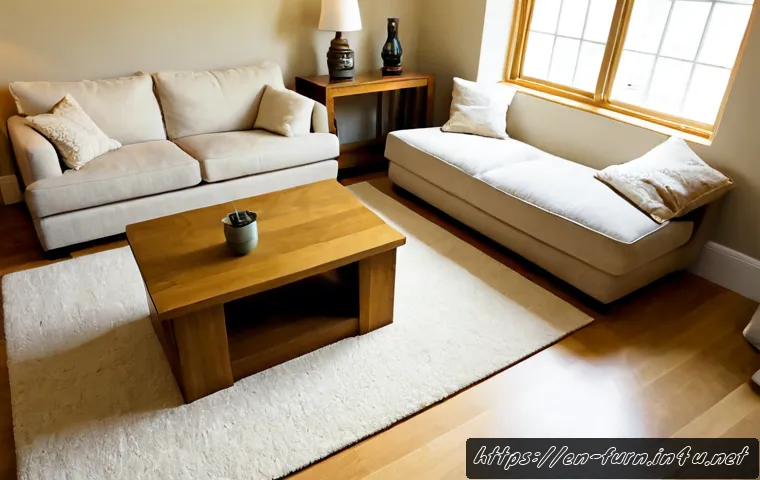
The best rug is usually one that supports the furniture grouping rather than simply filling empty floor space. A well-sized area rug can visually connect the sofa, chairs, and coffee table into one comfortable zone.
Material, pile height, color, and cleaning needs matter just as much as the initial retailer price. For renters and homeowners alike, checking dimensions, rug-pad compatibility, delivery terms, and return conditions before ordering can prevent an expensive mismatch.
At a Glance
- Measure first: Choose a rug based on the seating arrangement, including sofa width, chair placement, walkways, and door clearance.
- Select the material next: Wool, synthetic, washable, and natural-fiber rugs each suit different cleaning needs, traffic levels, and budgets.
- Compare total value: Consider the rug pad, maintenance effort, delivery terms, and replacement needs—not just the listed price.
| Rug Type | Care Level | Best Fit | Value Consideration |
|---|---|---|---|
| Wool | Check care instructions | Homes wanting texture and resilience | May be worth comparing for long-term use and feel |
| Synthetic | Often selected for easier care | Busy rooms, frequent use, budget-focused furnishing | Often has a lower upfront cost; confirm fiber content and care details |
| Washable | Designed around convenient cleaning needs | Homes with pets, children, or frequent spills | Compare washing instructions, size limits, and replacement value |
| Natural Fiber | Review product-specific care guidance | Relaxed, textured interiors | Check comfort, shedding details, and suitability for your room |
Start With the Seating Area, Not the Empty Floor
The quickest way to choose a living room rug is to begin with the furniture footprint. A rug can define the seating zone and make separate pieces feel like one arrangement. Looking only at open floor space often leads to a rug that appears undersized once the sofa, coffee table, and chairs are in place.
The Quick Rule: Choose a Rug That Supports the Furniture Layout
Many living room layouts work well when at least the front legs of the main seating pieces rest on the rug. This approach gives the arrangement a connected look without requiring every furniture leg to sit on the surface. It can work with a sofa-and-chair setup, a pair of chairs facing a coffee table, or a sectional arrangement.
A smaller rug may still suit a compact room, but it should look intentional. If it sits only beneath the coffee table and does not reach toward the seating, the room can feel visually fragmented.
How to Measure Sofa Width, Chair Placement, and Walking Clearance
Measure the width of the sofa, then note where chairs and tables will sit. Include the space needed for normal walking routes. Also check door swing, floor vents, and any furniture that must remain stable. These details are especially important in apartments, where a rug that looks right online may interrupt a narrow passage in the room.
Use painter’s tape or another temporary visual marker to outline possible rug dimensions on the floor. This simple step helps show whether the proposed area rug supports the conversation zone while leaving practical clearance around it.
A Three-Step Answer for Choosing the Right Size First
First, map the seating group instead of measuring the room alone. Second, identify where the front legs of the sofa and chairs should land. Third, check paths, doors, vents, and furniture movement before comparing rug sizes at retailers.
Compare Rug Sizes, Materials, and Long-Term Value
Common living room rug sizes include 5′ x 8′, 6′ x 9′, 8′ x 10′, and 9′ x 12′. These are useful starting points, not automatic answers. The right choice depends on the actual room dimensions, the furniture footprint, walkway clearance, and door swing.
When a 5′ x 8′, 8′ x 10′, or 9′ x 12′ Layout May Make Sense
A 5′ x 8′ rug may suit a smaller seating zone when it can still relate clearly to the sofa and coffee table. An 8′ x 10′ option may provide more support for a standard sofa-and-chairs grouping. A 9′ x 12′ rug may be worth considering for a larger seating area or an open-plan room where the rug needs to establish a clear living zone.
Do not select a size based on a room photo alone. Furniture scale changes the result. A sectional sofa, for example, may need a different footprint than a straight sofa even in a similarly sized room.
Wool vs. Synthetic vs. Washable vs. Natural Fibers
Wool rugs are generally valued for resilience and texture. Synthetic rugs are often chosen for easier care and a lower upfront cost. A washable rug can be appealing when cleaning convenience is a major priority, especially in homes with pets or children. Natural-fiber rugs can bring visible texture and a relaxed finish to a room.
There is no universal “best” material. Check individual product specifications for stain resistance, shedding, fiber content, and cleaning requirements. Those details can differ substantially from one rug to another, even within the same broad material category.
Upfront Price, Cleaning Costs, Rug Pads, and Replacement Value
A lower listed price does not automatically mean better value. Consider the likely maintenance effort, whether a rug pad is needed, and how well the rug fits your household routine. A rug pad can add cushioning, reduce slipping, and help limit movement on hard flooring.
When comparing area rug prices, include the total furnishing cost: the rug, a compatible pad, delivery terms, and any cleaning supplies or services you may need. Review retailer return policies before purchasing, particularly for large sizes that may be harder to send back.
Match Pile, Color, and Pattern to Daily Use
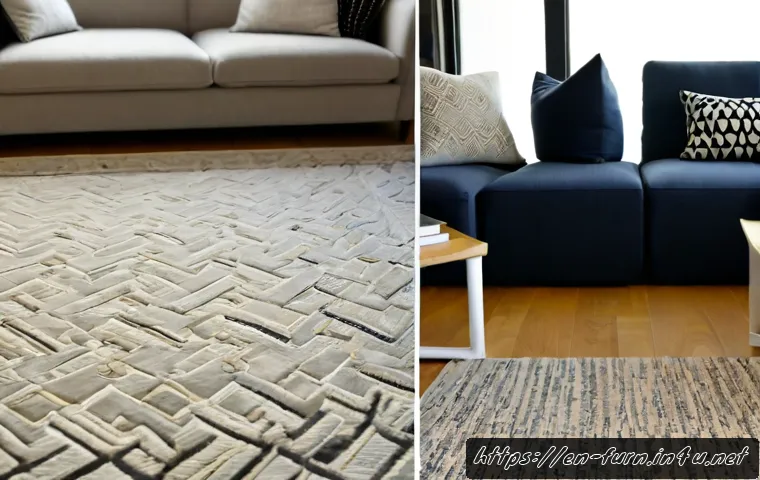
Pile height affects comfort, cleaning, furniture placement, and the room’s overall appearance. Color and pattern influence how large, bright, calm, or formal the space feels. These choices should match everyday use rather than a single showroom image.
Low Pile, Medium Pile, and Plush Options for Traffic and Comfort
Low-pile rugs are typically easier to vacuum and can be more practical beneath furniture or in high-traffic homes. They may be a sensible choice near frequently used seating, entry paths, or coffee tables. A higher or plusher pile can create a softer feeling, but it is worth checking how it works with furniture stability and your cleaning routine.
Choosing Colors and Patterns for Pets, Children, and Visible Dust
For active households, focus on the look you can realistically maintain. A patterned rug may help create visual variation, while a very light or very dark solid color can make some everyday debris more noticeable depending on the room. Product-specific stain resistance and care directions should always be verified before buying.
If you have pets or children, washable options and low-pile constructions may be practical starting points. Still, confirm the exact cleaning method rather than assuming every washable-looking rug has the same care requirements.
How Lighting and Pattern Scale Affect the Room’s Appearance

Color, pattern scale, and pile height can change the perceived size and brightness of a living room. A large, bold pattern can become a major focal point. A quieter design may let the sofa, artwork, or window view take more attention. Look at samples or product photos in lighting similar to your room whenever possible.
Avoid the Most Common Living Room Rug Mistakes
The most common problem is buying a rug that is too small for the furniture grouping. The second is overlooking practical details that only become obvious after delivery.
Buying Too Small for the Furniture Grouping
A rug that only floats under the coffee table can make a large seating area feel disconnected. Before choosing a smaller size to reduce the upfront cost, compare whether a larger dimension would better support the sofa and chairs. The goal is not to cover every inch of floor; it is to create a stable visual zone.
Forgetting Door Clearance, Vents, and Furniture Stability
Check whether doors can move freely over the rug. Note floor vents and make sure the rug does not interfere with their placement. If chairs, tables, or sofa legs sit partly on and partly off a thick surface, confirm that the arrangement remains stable.
Skipping Care-Label, Return-Policy, and Rug-Pad Checks
Read the care label before placing an order. Also review the retailer’s return policy, delivery conditions, and any requirements for returning a large area rug. For hard flooring, verify that the chosen rug pad is compatible with both the rug and the floor material.
Choose by Room Type and Household Needs
The same rug can perform differently in a compact apartment, an open-plan home, or a busy family room. Start with your room layout, then narrow the material and pile options.
Small Apartments and Compact Seating Zones
In a smaller living room, use the rug to make the seating area feel deliberate without blocking circulation. A low-pile rug can be practical beneath furniture, and a measured layout can help avoid a bulky look. Focus on the sofa, coffee table, and the nearest chair rather than trying to cover the entire floor.
Open-Plan Living Rooms and Sectional Sofas
An open-plan space often benefits from a larger rug because it can visually define where the living room begins and ends. With a sectional, measure the full seating footprint and consider how the rug will relate to both arms of the layout. Walkway clearance still matters, especially between the living area and dining or kitchen zones.
Homes With Pets, Children, or Frequent Entertaining
For a heavily used room, prioritize maintenance tolerance over a purely decorative choice. Low pile, easier-care fibers, and washable rug options may deserve closer comparison. Check the manufacturer’s care instructions and product specifications for the exact rug rather than relying on category labels alone.
Selection Criteria and Comparison Summary
Before ordering, confirm room and furniture dimensions, pile height, fiber content, care instructions, rug-pad compatibility, and the full delivered cost. Paying more may be worthwhile when a rug fits the seating plan better, suits your cleaning routine, and is likely to remain useful as part of the room. Compare size-specific pricing, delivery terms, return conditions, and maintenance details on the relevant product page before making a final choice.
Closing Thoughts
A living room rug should make the seating area feel connected, comfortable, and practical for daily life. Start with measurements, because size affects the room more than almost any pattern choice. Then select a material and pile height that match your traffic level and cleaning tolerance. A careful comparison of total cost and care needs can be more useful than choosing solely by the lowest price.
Useful Information
1. Use a temporary floor outline to test rug dimensions before ordering.
2. Check whether front furniture legs can rest on the rug in your planned layout.
3. A rug pad can improve cushioning and help reduce movement on hard flooring.
4. Review care instructions before choosing wool, synthetic, washable, or natural-fiber options.
5. Compare return and delivery terms for the exact size you plan to purchase.
Important Notes
The ideal rug size depends on your specific room dimensions, furniture placement, walkways, and door swing. Prices, stain resistance, shedding, durability, and cleaning performance vary by individual product and should be confirmed in product specifications and care instructions. Rug-pad floor compatibility and non-slip performance also need to be checked for the specific flooring material and pad.
Frequently Asked Questions
Q1. What size rug is best for a living room with a standard sofa and coffee table?
A1. Start by measuring the seating area rather than the empty floor. Many layouts work best when at least the front legs of the sofa and other main seating pieces rest on the rug. Common options include 5′ x 8′, 6′ x 9′, 8′ x 10′, and 9′ x 12′, but your furniture footprint and walking clearance should determine the final size.
Q2. Are washable living room rugs worth the higher price for homes with pets or children?
A2. A washable rug may be worth considering when convenient cleaning is a major household priority. Compare the specific care instructions, size, material, delivery terms, and return policy. Washability, stain resistance, and durability can vary between individual products.
Q3. Is wool or synthetic material better for a high-traffic living room?
A3. Wool is generally valued for resilience and texture, while synthetic fibers are often chosen for easier care and a lower upfront cost. For a high-traffic room, compare pile height, care requirements, fiber content, and the specifications of each rug rather than choosing based on material alone.