The safe way to install dining table lighting is to switch off the correct breaker, verify the circuit is dead with a voltage tester, confirm the ceiling box can support the fixture, and follow the fixture instructions exactly.
Stop and consider a licensed electrician when wiring, grounding, circuit capacity, box support, permits, or rental rules are unclear. The right fixture is not only a style choice: its weight, mounting requirements, bulb type, and dimmer compatibility can affect the installation route.
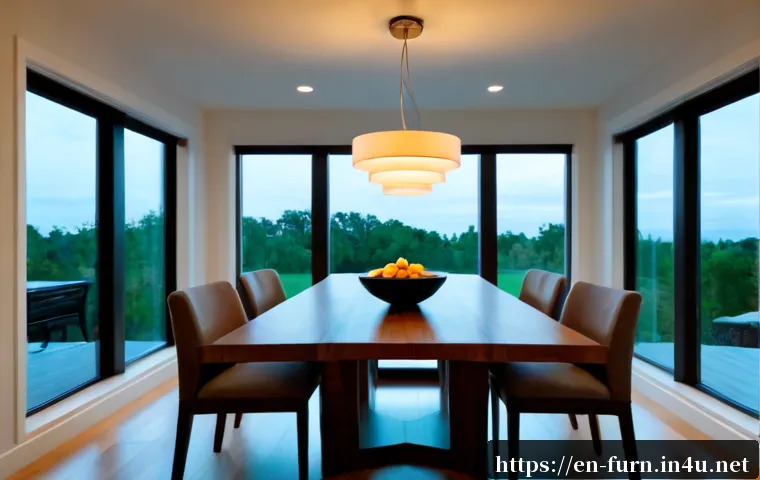
A pendant may suit a compact table, while a linear fixture can work well over a longer table and a chandelier may need more substantial support. Planning the hanging position before opening the ceiling box helps prevent glare, poor centering, and an expensive reinstall.
Compare fixture specifications and electrician estimates when the project includes a heavy fixture, a new dimmer, or changes to existing wiring.
At a Glance
- Turn off the relevant breaker and verify that power is off with an appropriate voltage tester before touching any wiring.
- Confirm ceiling-box support before buying or hanging a pendant or chandelier, especially when the fixture is heavy.
- Stop for professional help if wiring condition, grounding, circuit capacity, permits, or rental-property rules are uncertain.
| Lighting Layout | Best Use | Dimmer Consideration | Installation Complexity |
|---|---|---|---|
| Pendant light | Focused light over a smaller or simple dining table | Check that the fixture, LED bulbs, and dimmer are compatible | Often simpler when replacing an existing supported fixture |
| Linear chandelier | Long or rectangular dining tables | A dimmer can help adjust light across the full table | May require careful centering and mounting support |
| Traditional chandelier | Dining rooms where a decorative focal point is wanted | Review bulb type and dimmer compatibility before purchase | Can be more involved due to fixture weight and assembly |
| Recessed lights plus pendant | Layered lighting for dining and general room use | Separate controls may improve flexibility | Usually requires more wiring and professional assessment |
Plan the Light Before Touching the Wiring
Start With the Safe Installation Sequence
Begin with the safety steps, not the decorative parts. Switch off the relevant circuit breaker, then use an appropriate voltage tester to verify that the power is off. Next, confirm that the existing ceiling electrical box is rated and properly supported for the fixture you selected. Only after those checks should you set the fixture position and begin following the manufacturer’s mounting and wiring instructions.
Measure the Table, Room, and Ceiling Location
Dining lighting is commonly positioned in relation to the tabletop and ceiling height, rather than simply centered in the room. First find the center of the dining table as it will normally sit. Then consider the table shape, its length or diameter, the ceiling location, and whether the table can move.
A long rectangular table often suits a linear fixture or multiple pendants. A round table may look more balanced with one central pendant or chandelier. Before committing, consider sightlines: the fixture should illuminate the dining area without becoming an uncomfortable visual barrier between people seated at the table.
Choose a Fixture That Matches Your Lighting Goals
Decide whether the fixture is meant to provide the main dining light, decorative light, or one layer in a broader lighting plan. Review the fixture instructions for bulb types, weight limits, mounting hardware, and dimmer compatibility. A beautiful fixture is not automatically the best purchase if its support requirements do not match the existing ceiling box.
Also think about glare. Exposed bulbs, clear shades, and downward-facing light can create a very different dining experience from shaded or diffused lighting. If you want flexible brightness for meals, entertaining, and cleanup, a compatible dimmer and LED bulb combination may be worth considering.
Compare Dining Light Types, Installation Complexity, and Budget Factors
Pendant Lights vs. Linear Fixtures vs. Chandeliers
A pendant light is often a clean choice for a compact dining zone. A linear chandelier can visually follow the length of a rectangular table. A traditional chandelier can create a stronger focal point, but its weight and mounting requirements deserve extra attention.
Do not select by style alone. Compare fixture dimensions, hanging method, total weight, bulb requirements, and ceiling-box support. A fixture that fits the room visually may still require a mounting upgrade or electrical work before installation.
What Affects Fixture and Electrician Installation Costs
Cost planning is easier when you separate the project into parts: the fixture price, dimmer hardware, any mounting upgrade, and possible wiring labor. The exact electrician installation estimate can vary based on wiring changes, ceiling access, fixture weight, and local labor rates.
If you are comparing quotes, describe the fixture type and weight, whether an existing fixture is being replaced, and whether you want a dimmer switch or smart lighting control. This gives an electrician more useful information than simply asking for a general chandelier installation price.
When a Dimmer Switch or Smart Lighting Control Adds Value
A dimmer can make a dining area more adaptable, but compatibility matters. The dimmer switch and LED bulbs must be compatible with each other and with the fixture. Otherwise, you may experience flickering, buzzing, or a reduced dimming range.
Smart lighting can be useful when you want adjustable control patterns, but it still needs to suit the fixture and electrical setup. Check product specifications before purchase instead of assuming any LED bulb or dimmer will work together.
Prepare the Ceiling Box, Tools, and Safety Checks
Confirm the Circuit Is Off and Identify Wiring Safely
Turn off the correct breaker and verify that the circuit is not energized with an appropriate voltage tester. Do not rely only on a wall-switch position. If the wiring arrangement is unclear, stop rather than guessing which wire serves which purpose.
Check Box Rating, Fixture Weight, and Mounting Hardware
The ceiling electrical box must be rated and properly supported for the selected fixture’s weight. Review the installation materials supplied with the light. They may specify mounting hardware, connection steps, fixture weight limits, and other requirements that affect whether the existing setup is suitable.
A heavy chandelier should never be treated like a lightweight replacement fixture. If the box rating or support method cannot be confirmed, arrange a professional assessment before hanging it.
When Old Wiring or Missing Grounding Calls for an Electrician
Existing wiring condition, circuit capacity, and grounding cannot be assumed from the appearance of a ceiling opening. These are reasons to request a licensed electrician estimate, particularly if you are adding controls, changing the location of the light, or finding unexpected wiring conditions.
Local electrical codes, permit requirements, and rental-property rules may also determine who may perform the work. Renters should obtain permission before altering a fixture or switch.
Install and Position the Fixture Step by Step
Mark the Table Center and Set the Hanging Height
Place the table where it will normally be used and mark its center point. Use that point to guide the fixture location. Set the hanging height with the tabletop, ceiling height, fixture profile, and seated sightlines in mind. Check the fixture instructions for any model-specific guidance.
Mount the Bracket and Make Connections According to the Fixture Instructions
With the circuit confirmed off, install the supplied bracket and hardware only as directed by the fixture manufacturer. Make wire connections according to the instructions provided with the fixture. Do not substitute assumptions for the specified connection method or mounting hardware.

If the instructions do not match the ceiling condition, or if the fixture cannot be securely supported as specified, pause the project and contact an electrician.
Attach the Canopy, Level the Fixture, and Test the Light
After the fixture is secured, attach the canopy as instructed and check that the light is level and centered over the table. Install the specified bulb type. Restore power only after the installation is complete, then test the light and, if applicable, the dimmer operation.
If an LED dimmer combination flickers, buzzes, or does not dim smoothly, switch the power off and review the compatibility information for the fixture, bulbs, and dimmer.
Avoid Common Dining Room Lighting Mistakes
Hanging the Light Too High, Too Low, or Off-Center
A fixture can be technically installed yet still feel wrong in the room. Avoid positioning it by room center alone when the dining table sits elsewhere. Check the fixture from seated and standing positions before finalizing its hanging length.
Using Bulbs That Cause Glare or Insufficient Table Lighting
Bulb selection affects both the look and usefulness of the fixture. Consider whether the fixture directs light onto the table, exposes bright bulbs to eye level, or needs a dimmer for better control. Always follow the fixture’s bulb guidance.
Overloading an Unsupported Box With a Heavy Fixture
This is a safety issue, not a design compromise. A decorative chandelier may require more support than the existing electrical box provides. Confirm the box rating and mounting requirements before purchase when possible, and do not proceed if support is uncertain.
Choose the Right Installation Route and Lighting Setup
DIY Checklist for a Straightforward Fixture Replacement
A DIY replacement may be more suitable when the new fixture is appropriate for the existing, properly supported ceiling box; the fixture instructions are clear; and local rules allow the work. You should also be able to shut off and verify the circuit safely, identify no unresolved wiring concerns, and confirm bulb and dimmer compatibility.
Signs It Is Worth Requesting a Licensed Electrician Estimate
Request an electrician estimate when the fixture is heavy, the ceiling box rating is unknown, wiring needs to change, grounding is unclear, or you are adding a dimmer or smart control. Professional assessment is also sensible when local permit or licensing rules may apply.
Final Comparison: Style, Safety, Dimming, Maintenance, and Long-Term Value
The best dining room lighting setup balances appearance with practical checks. A pendant, linear chandelier, or decorative chandelier can all work well when the fixture fits the table, the mounting support is correct, and the bulbs and controls are compatible. The least expensive fixture is not necessarily the simplest installation if it requires box upgrades or wiring changes.
Selection Criteria and Comparison Summary
Before choosing a dining light, check these decision points: fixture style and scale for the table; ceiling-box rating and support; the fixture’s stated mounting and bulb requirements; LED and dimmer compatibility; local rules and rental permission; and whether wiring changes justify an electrician estimate. Review official product instructions and detailed compatibility conditions on the relevant product page before buying.
Final Thoughts
Dining table lighting looks simple from the floor, but the installation should start with power safety and mounting support. Plan the fixture around the table, not just the room center. Follow the fixture instructions closely, and treat unclear wiring or unsupported weight as a reason to stop. A careful comparison of fixture requirements and electrician estimates can prevent a design upgrade from becoming a safety problem.
Useful Information to Keep in Mind
1. A ceiling box must be properly rated and supported for the fixture weight.
2. A dimmer, LED bulbs, and the fixture need mutual compatibility.
3. Local codes, permits, and rental rules can affect the installation process.
4. Fixture instructions are the primary reference for mounting hardware, connections, and bulb requirements.
Important Notes
Existing wiring condition, grounding, circuit capacity, ceiling-box rating, and local requirements must be confirmed for the specific home. Installation cost cannot be assumed because it depends on factors such as wiring changes, ceiling access, fixture weight, and local labor rates. When any of these points are uncertain, seek assessment from a licensed electrician.
Frequently Asked Questions
Q1. How high should a dining room light hang above the table?
A1. Position it in relation to the tabletop and ceiling height rather than simply centering it in the room. Consider seated sightlines, fixture shape, and the manufacturer’s instructions when setting the final hanging height.
Q2. Can I replace an existing dining light fixture myself, or should I hire an electrician?
A2. A straightforward replacement may be possible where local rules allow it, the circuit can be safely switched off and verified, and the existing box is properly rated for the new fixture. Hire an electrician when wiring, grounding, support, permits, or fixture requirements are unclear.
Q3. What should I check before buying a chandelier or pendant light for a dining table?
A3. Check the fixture’s weight, mounting hardware, box-support requirements, bulb type, dimmer compatibility, and overall scale for the table. Also confirm whether the planned ceiling location and existing electrical setup can support the installation.